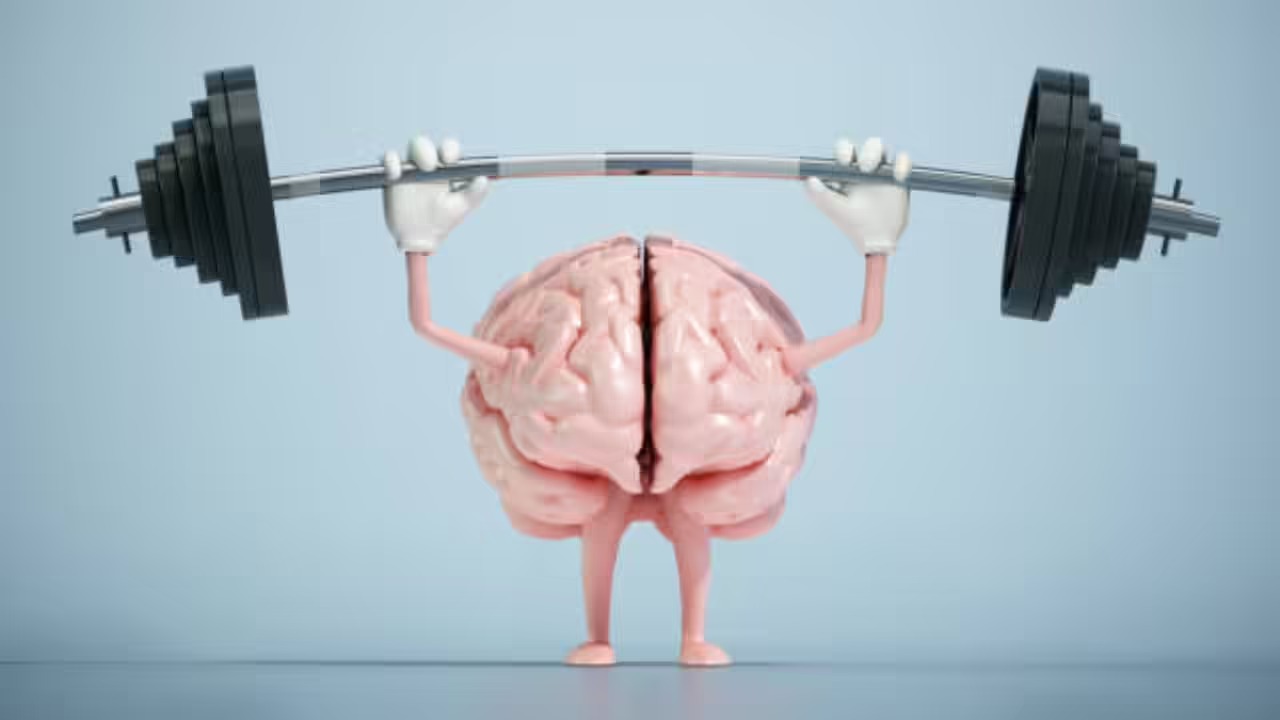







As AI reshapes work and society, experts highlight brain training as a pathway to resilience and productivity. Investing in “brain capital” through cognitive skills, mental health, and neuroplasticity can strengthen individuals and economies. Yet, ethical questions remain about how far brain-inspired technologies should go in replicating human thought.
The growing conversation around brain training and cognitive enhancement has intensified in 2026, with researchers and policymakers exploring its role in boosting resilience, productivity, and sustainable growth. Reports emphasize that while technology advances rapidly, the human brain remains unmatched in complexity and adaptability, making brain health central to future prosperity.
Key Highlights
-
Brain training is seen as a lever to strengthen resilience, productivity, and shared prosperity
-
McKinsey’s report on “brain capital” stresses investment in brain health and cognitive skills as vital in the AI era
-
Ethical debates arise around brain-inspired AI, with scholars urging frameworks to ensure responsible innovation
-
Global policy discussions highlight neurotech standards and bias mitigation as part of AI ethics in 2026
-
Experts argue that brain training must balance personal development with societal safeguards against misuse
Strategic Impact
The emphasis on brain training reflects a broader shift toward valuing cognitive capital as a driver of economic and social progress. By investing in mental health, lifelong learning, and neuroplasticity, societies can prepare individuals to thrive alongside AI.
At the same time, ethical concerns about brain-inspired technologies underscore the need for robust governance. As machines begin to mimic human cognition, questions of fairness, accountability, and moral responsibility become central. Brain training, therefore, is not just about personal improvement but about shaping a future where human and machine intelligence coexist responsibly.
Sources: McKinsey & Company, Artificial Intelligence Review (Springer Nature), Applying AI Ethics Report