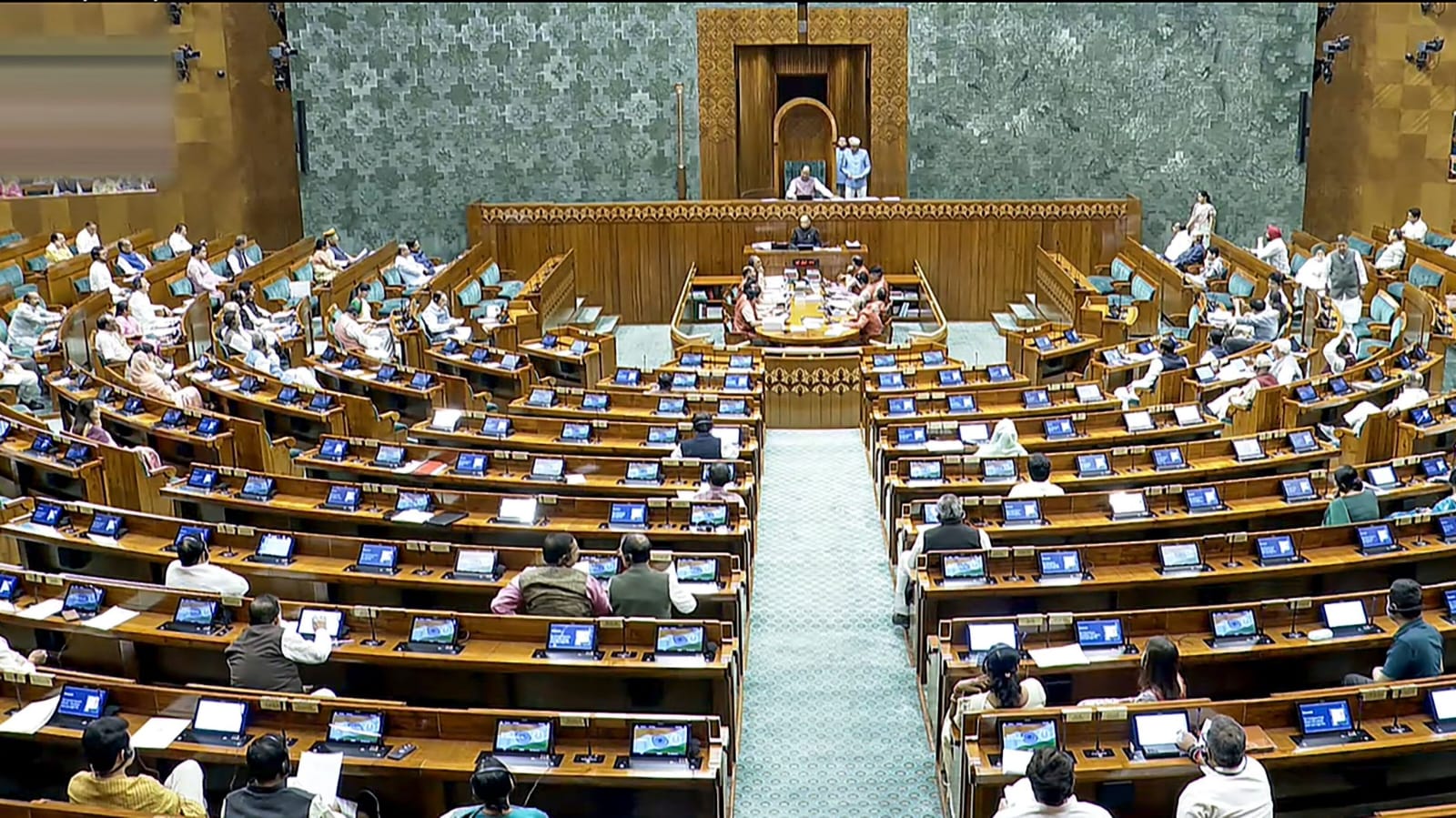



A newly introduced reform bill, Jan Vishwas Bill 2.0, aims to simplify regulations, decriminalise minor offences, and enhance governance efficiency. The initiative focuses on reducing compliance burdens, digitising processes, and improving citizen services—marking a major step toward ease of doing business and ease of living in India.
In a significant reform move, the government has introduced Jan Vishwas Bill 2.0 to strengthen India’s regulatory ecosystem. The bill builds on earlier reforms, targeting simplification of laws and improved service delivery for both businesses and citizens.
Reform Focus And Policy Direction
Jan Vishwas Bill 2.0 places strong emphasis on decriminalising minor offences across multiple laws, replacing them with monetary penalties. This shift is expected to reduce legal complexities and encourage a more trust-based governance model. By streamlining regulatory requirements, the bill aims to eliminate procedural bottlenecks that often delay business operations.
The legislation also prioritises digitisation, promoting online approvals and automated systems to ensure faster and more transparent governance. This aligns with India’s broader digital transformation agenda and efforts to create a seamless interface between government and stakeholders.
Impact On Businesses And Citizens
For businesses, Jan Vishwas Bill 2.0 could significantly reduce compliance risks and operational delays. Startups and MSMEs, in particular, stand to benefit from simplified procedures and reduced fear of criminal penalties for minor lapses. This could foster innovation, attract investment, and improve India’s global ease of doing business rankings.
For citizens, the bill promises improved access to public services with reduced paperwork and quicker turnaround times. Enhanced transparency and accountability are expected to strengthen public trust while making everyday interactions with government systems more efficient.
Key Highlights
-
Decriminalisation of minor offences to reduce legal burden
-
Simplified compliance framework for businesses and individuals
-
Increased adoption of digital governance systems
-
Focus on transparency, accountability, and trust-based regulation
-
Improved service delivery to enhance ease of living
What Lies Ahead
The success of Jan Vishwas Bill 2.0 will depend largely on effective implementation and coordination across departments and states. Experts highlight the need for continuous monitoring and stakeholder engagement to ensure the reforms translate into real-world impact.
As India accelerates its journey toward becoming a global economic powerhouse, Jan Vishwas Bill 2.0 could play a pivotal role in shaping a more efficient, business-friendly, and citizen-centric governance landscape.
Sources: Economic Times, Times of India, GK Today