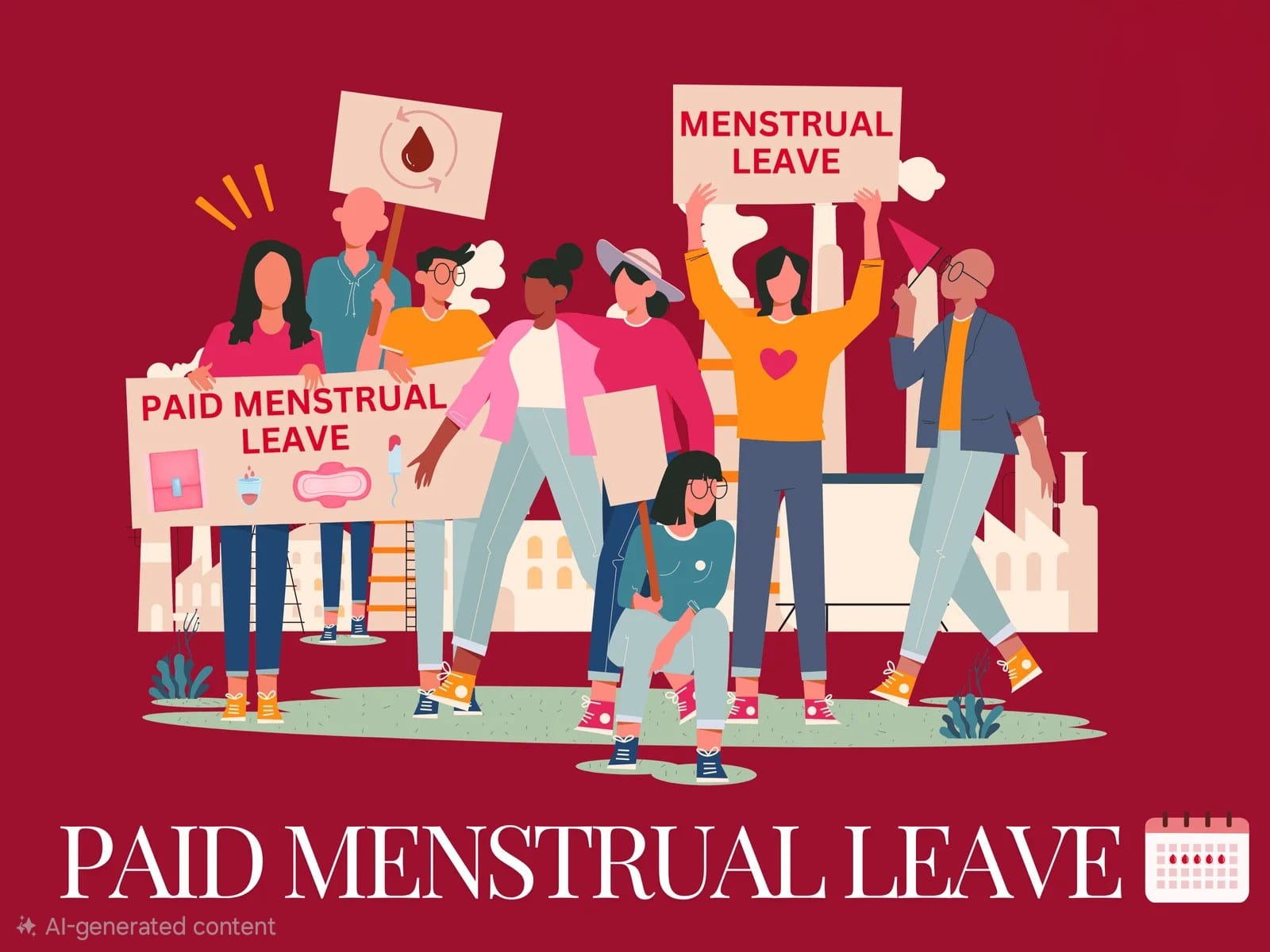




In a call for balanced reform, experts urge India's policymakers to design menstrual leave policies that are nuanced and inclusive, addressing diverse needs while avoiding unintended workplace biases. This 50-word summary highlights the push for equitable implementation amid growing global discussions on period poverty and gender equity in employment.
A recent discourse on menstrual leave policies emphasizes the need for thoughtful design to ensure they benefit women without reinforcing stereotypes or creating divisions. As more countries and companies adopt such measures, the focus shifts to inclusivity for all genders and comprehensive support systems.
The Case for Nuanced Menstrual Leave
Menstrual leave policies, aimed at supporting employees experiencing severe menstrual symptoms, have gained traction worldwide. Countries like Japan, Spain, and South Korea have pioneered paid leave for menstruation, sparking debates in India where period pain affects up to 80% of women, per health studies. However, simplistic implementations risk stigmatizing women or pressuring them to disclose private health details, underscoring the demand for nuanced frameworks.
Challenges of Inclusivity in Policy Design
Inclusivity extends beyond cisgender women to transgender men and non-binary individuals who menstruate, yet many policies overlook these groups. Critics argue that blanket leave could lead to hiring biases against women, mirroring concerns from Indonesia's 2022 rollout. A truly inclusive menstrual leave policy must integrate with broader wellness benefits like flexible hours and mental health support to mitigate resentment among non-menstruating colleagues.
Key Recommendations for Effective Implementation
-
Stronger workplace sensitization training on menstrual health
-
Integration with existing sick leave to reduce stigma
-
Consultation with diverse stakeholders including LGBTQ+ voices
-
Pilot programs in high-stress sectors like IT and manufacturing
-
Monitoring for equity impacts via anonymous feedback mechanisms
Global Trends and India's Path Forward
Globally, companies like Zomato in India have introduced 10 days of period leave annually, boosting employee satisfaction. For SEO-optimized menstrual leave policy adoption, India must prioritize data-driven, inclusive menstrual health initiatives. Experts recommend government guidelines that balance empathy with productivity, fostering gender-equal workplaces.
Sources: The Hindu, Times of India, WHO Menstrual Health Reports