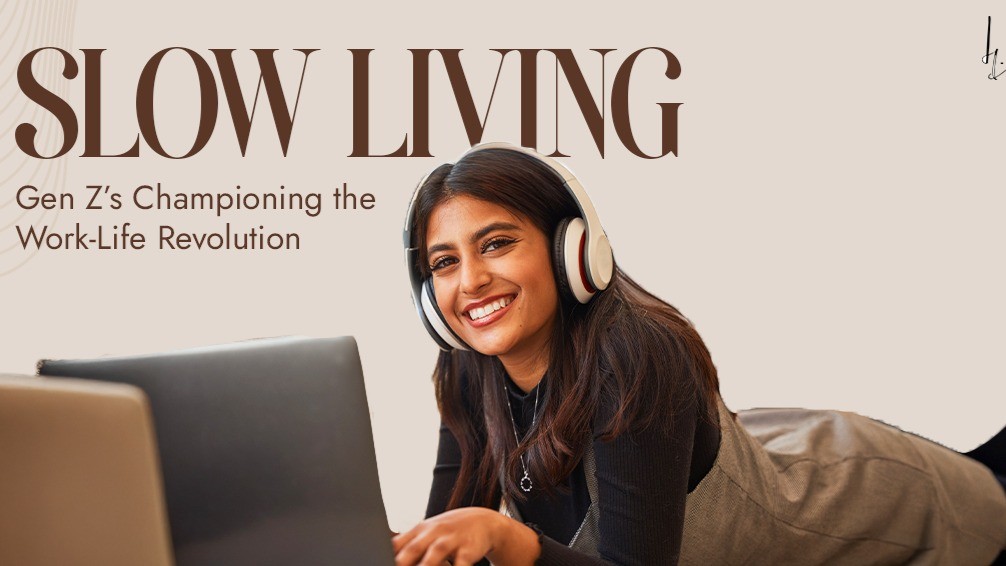

A growing number of Gen Z individuals are embracing slow living, rejecting the constant rush of digital culture. Instead of endless scrolling and productivity pressure, they are prioritizing mindfulness, meaningful routines, and mental well-being, signaling a cultural shift toward intentional lifestyles, balance, and sustainable habits in the fast-paced social media era.
Across social media and lifestyle trends, a quiet revolution is unfolding. Gen Z, often labeled the “always online” generation, is increasingly stepping away from hustle culture and algorithm-driven lifestyles.
The shift toward slow living reflects a broader desire for balance, authenticity, and mental wellness in an age of digital overload.
The Rise Of The Slow Living Movement
Slow living, a lifestyle philosophy that prioritizes intentional living over speed and productivity, is gaining popularity among Gen Z. Instead of constantly chasing trends, followers of this movement focus on mindfulness, meaningful relationships, and sustainable habits.
From journaling and home cooking to digital detox routines, young people are redefining success beyond the metrics of likes, views, and online validation.
Why Gen Z Is Embracing Slow Living
Many Gen Z individuals report feeling overwhelmed by nonstop digital stimulation. The pressure to stay relevant online has led to rising conversations about burnout, screen fatigue, and mental health.
As a response, slow living offers a calmer alternative—encouraging people to move at their own pace and reconnect with everyday experiences.
Platforms like TikTok and Instagram ironically play a role in spreading the trend, where creators share routines focused on self-care, nature, and minimalism.
Key Highlight
-
Gen Z is increasingly rejecting hustle culture and embracing intentional lifestyles
-
Slow living emphasizes mindfulness, sustainability, and work-life balance
-
Digital detox routines and offline hobbies are gaining popularity
-
Mental health awareness is a major driver behind the lifestyle shift
-
Social media platforms are helping spread the slow living movement
Sources: Lifestyle trend reports, social media culture analyses, and youth behavior studies.