



Prime Minister Narendra Modi reaffirmed that India’s economic fundamentals remain strong while highlighting key measures to secure energy and agriculture. With 5.3 MMT of strategic petroleum reserves, plans for an additional 6.5 MMT, adequate coal for power plants, and sufficient fertilizers for summer crops, India is reinforcing stability across sectors.
Addressing multiple concerns, PM Modi emphasized India’s resilience in both economic and resource management. His announcements underline the government’s focus on energy security, agricultural preparedness, and fiscal strength, ensuring confidence for investors, industries, and farmers alike.
Petroleum Reserves Expansion
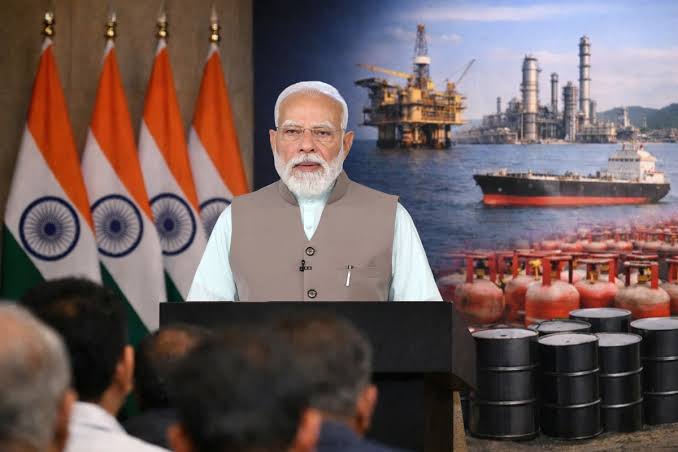
India currently holds 5.3 MMT of strategic petroleum reserves, stored in underground facilities. Plans for an additional 6.5 MMT will further strengthen energy security, reducing vulnerability to global oil shocks.
Agricultural Preparedness
Adequate fertilizer arrangements have been made for the summer crop season, ensuring farmers have timely access to essential inputs. This supports food security and rural livelihoods.
Coal Reserves For Power Plants
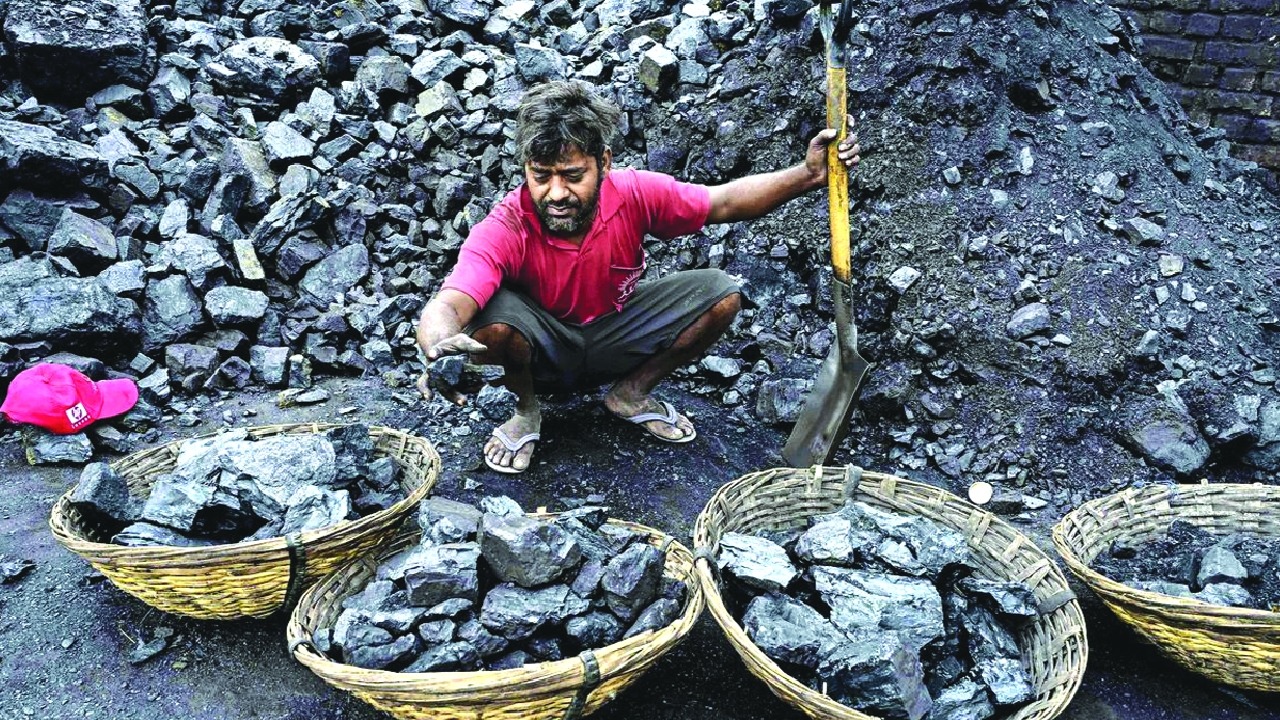
PM Modi confirmed that all power plants have sufficient coal reserves, ensuring uninterrupted electricity supply and industrial stability.
Economic Fundamentals
Strong domestic demand, infrastructure expansion, and fiscal discipline continue to drive India’s growth, reinforcing its position as one of the fastest-growing major economies.
Key Announcements
-
India holds 5.3 MMT of petroleum reserves, with 6.5 MMT more planned
-
Adequate fertilizer arrangements secured for summer crops
-
All power plants confirmed to have sufficient coal reserves
-
Economic fundamentals remain strong, driven by demand and infrastructure
-
Government focus on energy and agriculture boosts stability
Future Outlook
Analysts believe these assurances will strengthen investor confidence and reassure farmers and industries. With robust fundamentals and resource preparedness, India is well-positioned to sustain growth momentum in 2026.
Sources: Economic Times, Business Standard, Mint, Hindustan Times