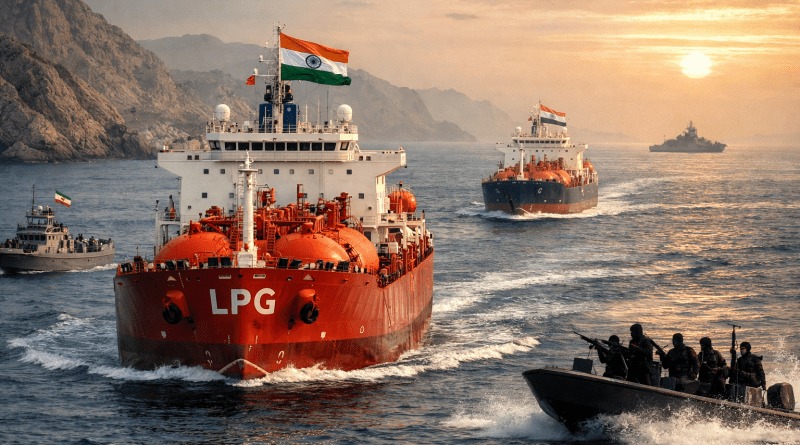





Two LPG tankers, Pine Gas and Jag Vasant, have begun their transit through the Strait of Hormuz, according to Indian government officials. The movement underscores the importance of uninterrupted energy supply routes, as the strait remains one of the world’s most critical chokepoints for global oil and gas trade.
The announcement comes at a time of heightened geopolitical tensions in the Middle East, where energy security and safe passage of vessels are closely monitored. India, heavily reliant on imported energy, views such developments as vital for ensuring stability in domestic supply chains and market confidence.
Strategic Importance
The Strait of Hormuz handles a significant portion of global oil and gas shipments. Any disruption in this corridor can have immediate impacts on energy prices and supply security, making the safe passage of Pine Gas and Jag Vasant noteworthy for India’s energy sector.
India’s Energy Outlook
Officials emphasized that monitoring tanker movements is part of broader efforts to safeguard India’s energy needs. With external dependence on crude and LPG imports, ensuring smooth transit through global chokepoints remains a priority for policymakers and industry stakeholders.
Key Highlights
-
LPG tankers Pine Gas and Jag Vasant begin movement from Strait of Hormuz
-
India confirms safe passage amid regional tensions
-
Strait of Hormuz critical for global energy trade
-
Smooth transit vital for India’s energy security
-
Monitoring tanker movements part of broader policy framework
Sources: Government of India Statement, Economic Times, Reuters