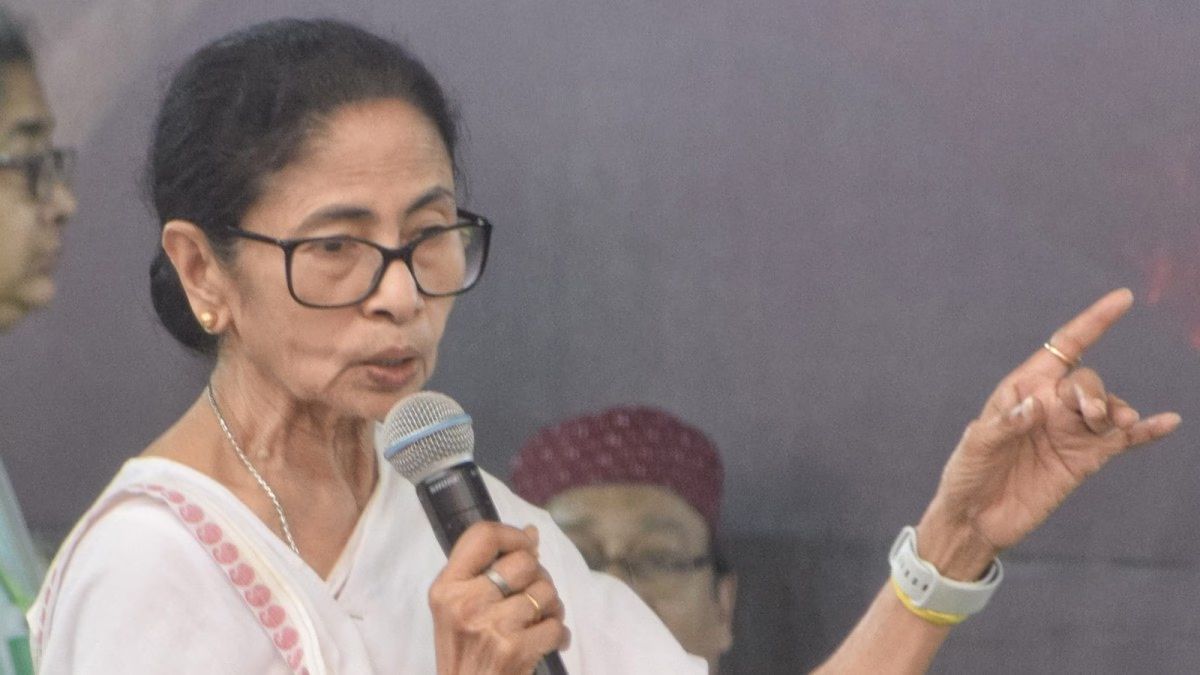




Mamata Banerjee ended her five-day dharna in Kolkata against alleged arbitrary deletions in the Special Intensive Revision (SIR) of electoral rolls after the Supreme Court ordered the establishment of an appellate authority. She welcomed the ruling, calling it a “ray of hope,” but promised to continue fighting for voter rights.
Introduction To The Announcement
On March 10, 2026, Mamata Banerjee lifted her sit-in protest at Dharmatala, Kolkata, citing the Supreme Court’s directive to set up an appellate mechanism for voter list disputes. The dharna was launched to oppose alleged flaws in the SIR process, which she claimed disenfranchised many voters.
Details Of The Protest
Banerjee’s dharna lasted five days, during which she accused the Election Commission of acting unfairly and targeting voters. The Supreme Court’s intervention provided assurance that grievances would be addressed through a formal appellate process, prompting her to suspend the protest.
Strategic Importance
The move reflects the balance between judicial intervention and political activism. By ending the dharna, Banerjee signaled respect for the judiciary while keeping pressure on electoral authorities to ensure transparency and fairness in voter list management.
Broader Implications
The episode underscores the growing tension between political parties and the Election Commission over voter rights. It also highlights the judiciary’s role in safeguarding democratic processes, especially ahead of crucial elections in West Bengal.
Key Highlights
• Mamata Banerjee ended five-day dharna in Kolkata on March 10, 2026
• Protest targeted alleged flaws in Special Intensive Revision of voter rolls
• Supreme Court ordered creation of appellate mechanism for grievances
• Banerjee welcomed ruling but vowed to continue monitoring developments
• Highlights judiciary’s role in protecting voter rights and electoral fairness
Sources: The Hindu, Deccan Herald, The Economic Times, Mathrubhumi English, The Shillong Times