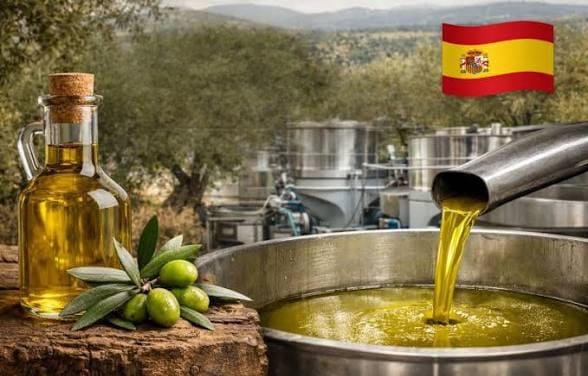



Spain dominates the global olive oil industry, earning the title of the Olive Oil Capital of the World. With vast olive groves, centuries-old farming traditions, and ideal Mediterranean climate conditions, the country leads global production and exports, supplying olive oil to markets across Europe, North America, and Asia.
Olive oil has long been a cornerstone of Mediterranean cuisine and healthy diets worldwide. Known for its rich flavour, antioxidants, and heart-friendly fats, it is widely used in cooking, dressings, and gourmet dishes. Among olive-producing nations, Spain stands out as the global powerhouse of olive oil production.
Spain: The World’s Olive Oil Powerhouse
Spain is widely recognised as the world’s largest olive oil producer, contributing a major share of global supply. The country’s favourable Mediterranean climate—characterised by hot summers, mild winters, and well-drained soil—creates ideal conditions for olive cultivation.
Most of Spain’s olive oil comes from the southern region of Andalusia, where vast olive plantations stretch across the countryside. Within this region, the province of Jaén is often referred to as the world capital of olive oil due to its exceptionally high production and millions of olive trees.
Why Spain Leads Global Olive Oil Production
Spain’s leadership in the olive oil industry is driven by a combination of geography, tradition, and innovation. The country blends centuries-old harvesting techniques with modern processing technology to maintain consistent quality and large-scale output.
Spanish olive oil varieties such as Picual, Arbequina, and Hojiblanca are highly valued for their unique flavour profiles and culinary versatility.
Key Highlights
-
Spain is the largest olive oil producer in the world
-
The Andalusia region drives the majority of Spain’s olive oil output
-
Jaén province is often called the global capital of olive oil production
-
Spain exports olive oil to major global markets including Europe, Asia, and North America
-
Popular Spanish olive varieties include Picual, Arbequina, and Hojiblanca
Sources: NDTV Food, FAOSTAT, Wikipedia