






Follow WOWNEWS 24x7 on:


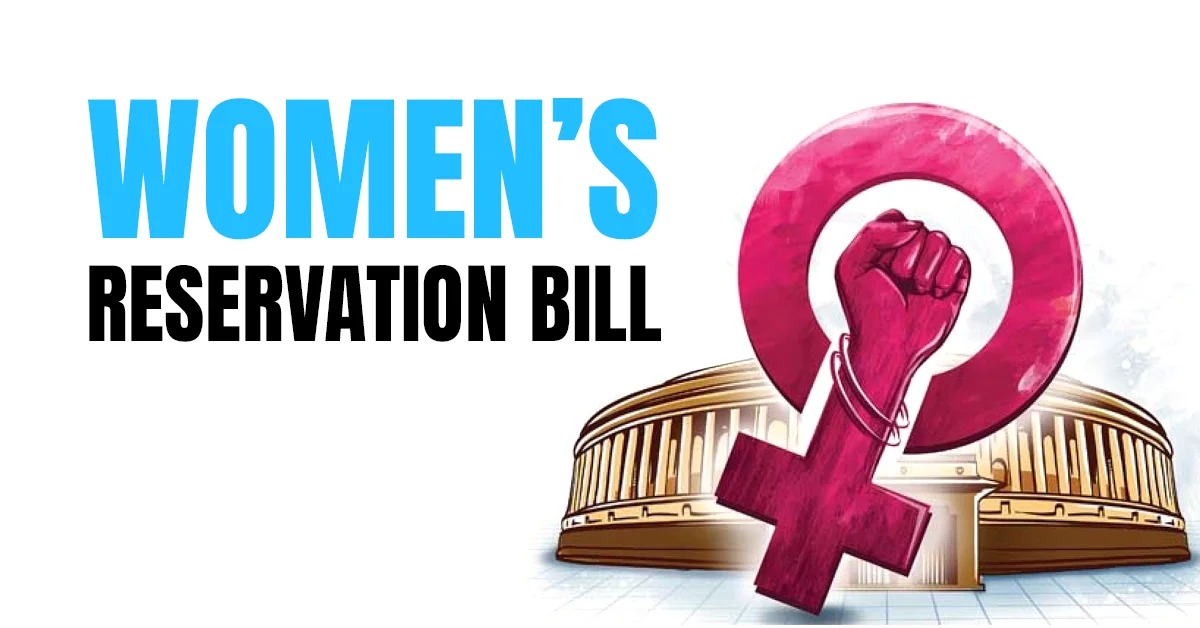
India’s Women’s Reservation Bill, if implemented ahead of the 2027 general elections, could significantly reshape the country’s political landscape. By reserving one-third of seats in Parliament and state assemblies for women, the legislation is expected to alter candidate selection, party strategies, and voter dynamics nationwide.
Show moreStay Ahead – Explore Now! Budget Session Resumes — Political Fireworks And Foreign Policy Crossroads



Updated: March 10, 2026 18:56

Updated: March 09, 2026 19:53

Updated: March 08, 2026 19:49











Follow WOWNEWS 24x7 on:





Copyright 2024 WOWNEWS 24x7. All rights reserved. The WOWNEWS 24x7 is not responsible for the content of external sites. Read about our approach to external linking.
Powered By Just Imagine
