







Follow WOWNEWS 24x7 on:


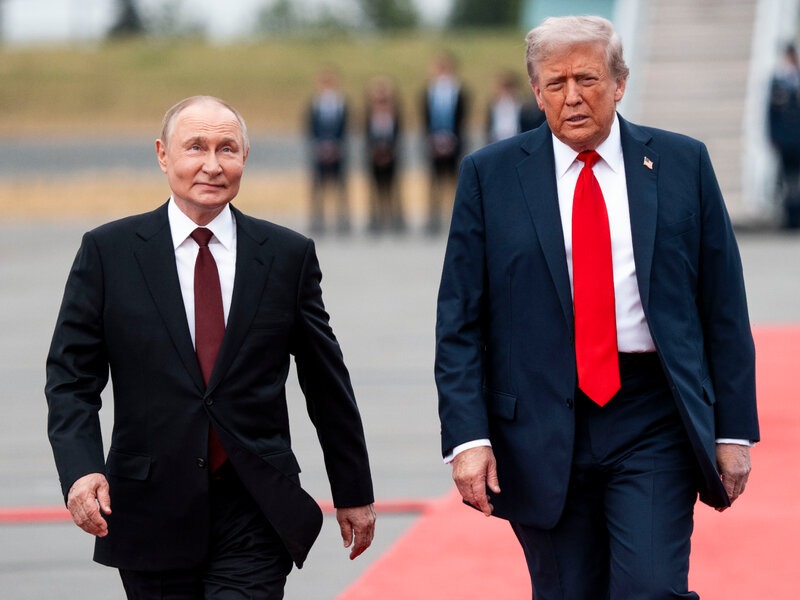
The Trump administration is reportedly weighing additional easing of sanctions on Russia as global commodity prices surge. Sources suggest the move is aimed at stabilizing energy markets and addressing inflationary pressures, though it raises questions about geopolitical implications and the balance between economic relief and foreign policy strategy.
Show moreStay Ahead – Explore Now! NATO Defenses Intercept Iranian Missile Over Mediterranean, Confirms Turkey

Updated: March 10, 2026 18:56

Updated: March 09, 2026 19:53

Updated: March 08, 2026 19:49












Follow WOWNEWS 24x7 on:





Copyright 2024 WOWNEWS 24x7. All rights reserved. The WOWNEWS 24x7 is not responsible for the content of external sites. Read about our approach to external linking.
Powered By Just Imagine
