





Follow WOWNEWS 24x7 on:


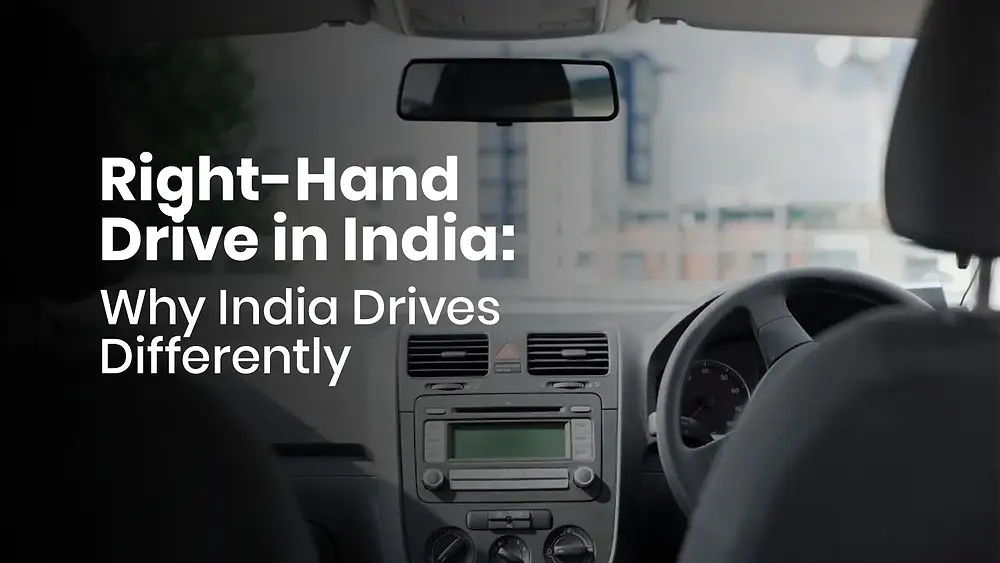
India’s cars have steering wheels on the right because the country drives on the left side of the road a practice inherited from British colonial rule. This placement improves visibility of oncoming traffic, makes overtaking safer, and reduces blind spots. The tradition continues today, shaping India’s automotive design and road safety norms.
Show moreStay Ahead – Explore Now! Luxury Parenting: Hardik Pandya Surprises Son Agastya With Land Rover Defender


Updated: February 27, 2026 18:54

Updated: February 26, 2026 18:44

Updated: February 25, 2026 12:52















Follow WOWNEWS 24x7 on:





Copyright 2024 WOWNEWS 24x7. All rights reserved. The WOWNEWS 24x7 is not responsible for the content of external sites. Read about our approach to external linking.
Powered By Just Imagine
