








Follow WOWNEWS 24x7 on:


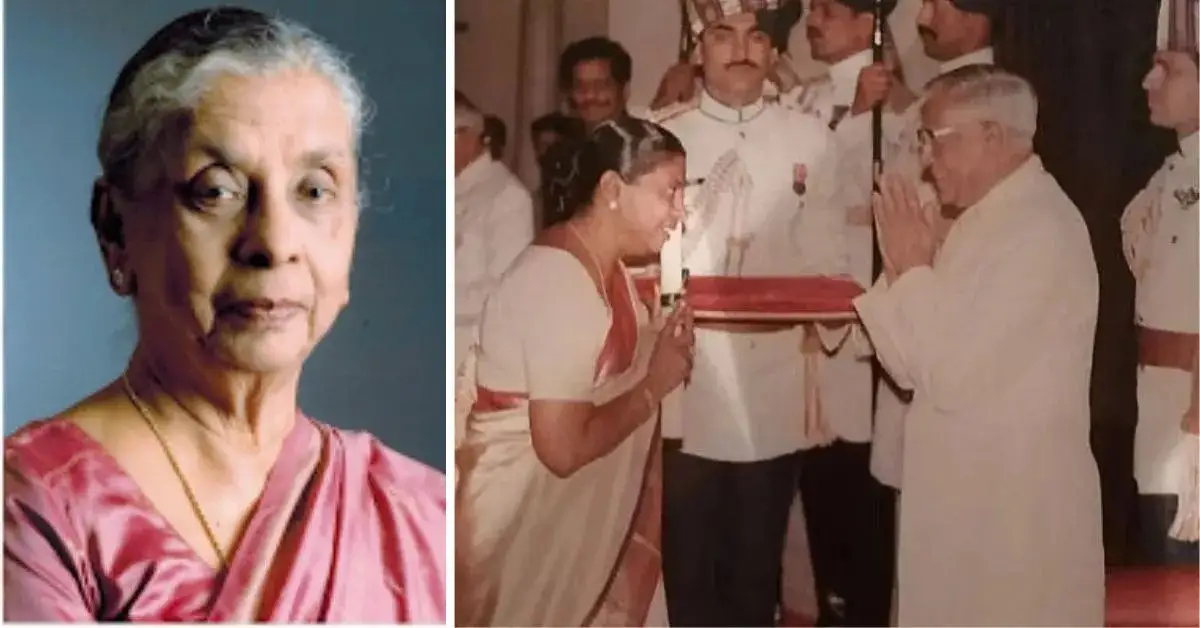
In 1952, Anna Rajam Malhotra became India’s first woman IAS officer, defying societal norms and official discouragement. Despite being told the service was not meant for women, she persevered, paving the way for generations of female civil servants and leaving a lasting legacy in India’s administrative history.
Show moreStay Ahead – Explore Now! Golden Years Planning: How Inflation and Longevity Make Rs 1 Crore Corpus Crucial for Rs 50,000 Monthly



Updated: February 27, 2026 18:54

Updated: February 26, 2026 18:44

Updated: February 25, 2026 12:52











Follow WOWNEWS 24x7 on:





Copyright 2024 WOWNEWS 24x7. All rights reserved. The WOWNEWS 24x7 is not responsible for the content of external sites. Read about our approach to external linking.
Powered By Just Imagine
