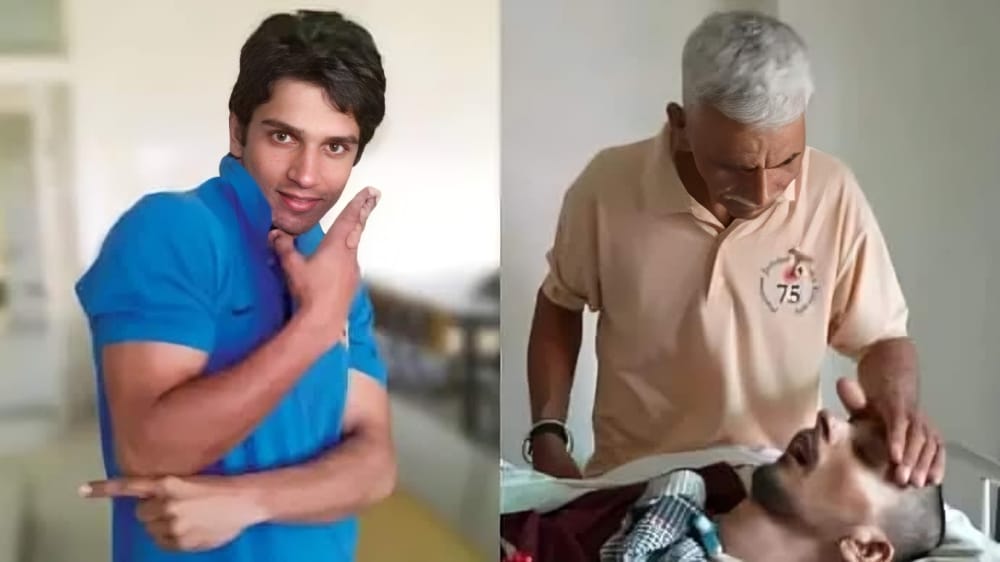

In a historic ruling, India's Supreme Court approved passive euthanasia for 32-year-old Harish Rana, who lingered in a vegetative state for 13 years after a 2013 accident. This marks the nation's first court-sanctioned withdrawal of life support, affirming the right to die with dignity under Article 21. The decision clarifies 2018 guidelines on clinically assisted nutrition and hydration (CANH)
The Supreme Court, led by Justices JB Pardiwala and KV Viswanathan, granted the Rana family's plea to cease life-sustaining measures for Harish, a former Delhi student left quadriplegic and 100% disabled after falling from a fourth-floor balcony. No recovery was possible despite prolonged care via a PEG feeding tube. Harish passed away peacefully following the order, shifting him to AIIMS Delhi's palliative care.
Background Of The Case
Harish Rana, then 20, suffered irreversible brain injuries in 2013, entering a persistent vegetative state with no awareness, communication, or self-care ability. For over a decade, his family sustained him through artificial nutrition amid ethical debates on prolonging life without quality. The petition invoked the 2018 Common Cause judgment, which legalized passive euthanasia—withholding treatment to allow natural death—under strict medical board oversight.
Landmark Legal Implications
This ruling operationalizes passive euthanasia in India, treating CANH as medical intervention withdrawable for permanent vegetative state (PVS) patients. The bench waived the usual 30-day cooling-off period due to consensus on futility, emphasizing pain-free withdrawal. It reinforces living wills and advance directives, balancing right to life with dignified death amid rising PVS cases.
Key highlights
-
First-ever Supreme Court approval of passive euthanasia for an individual in India
-
Harish in vegetative state 13+ years; no improvement despite treatment
-
Transfer to AIIMS palliative care ensured humane, supervised process
-
Builds on 2018 ruling recognizing right to die with dignity
Sources: Supreme Court Observer, Al Jazeera, SCC Online, Testbook, LiveLaw, Drishti IAS