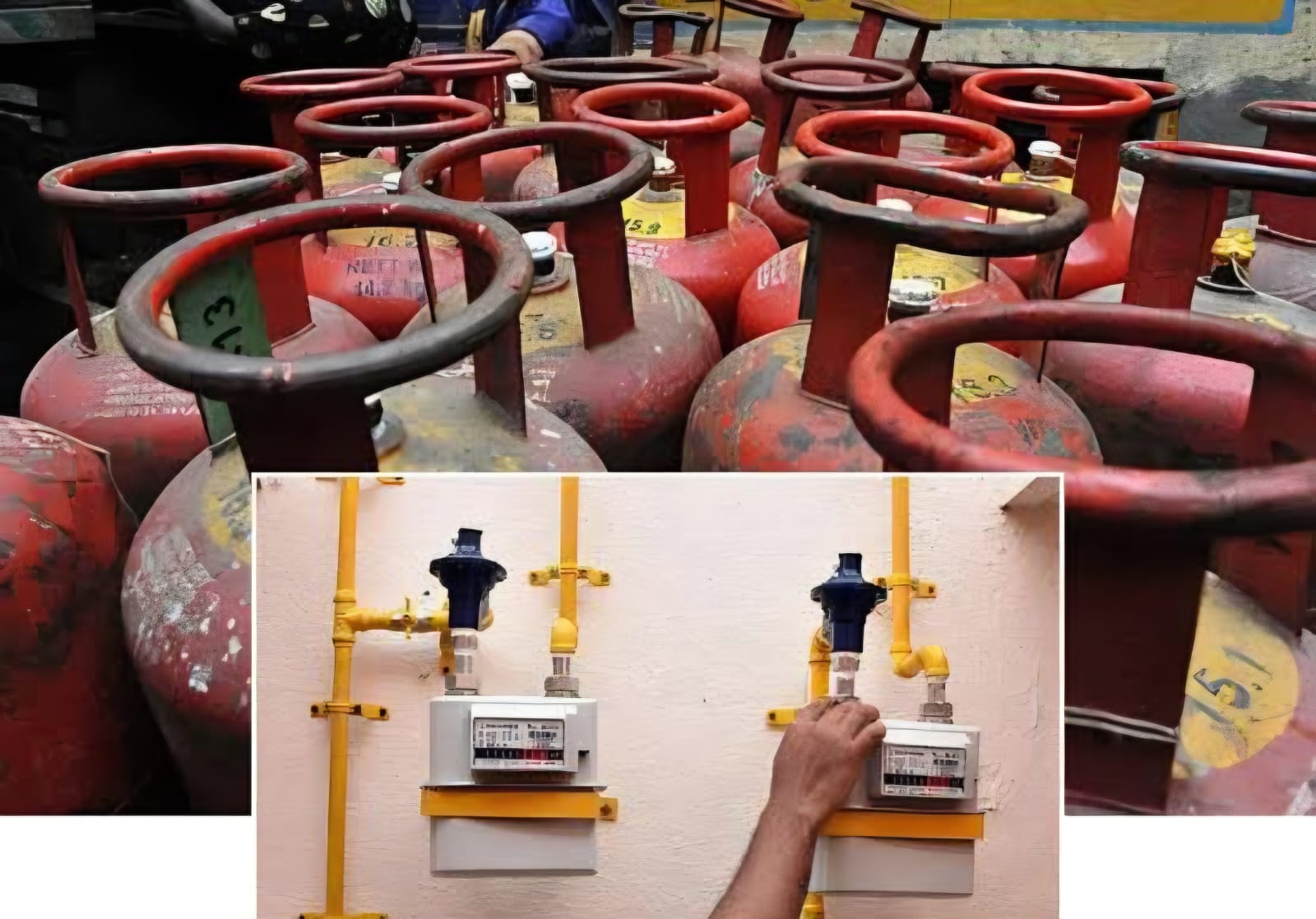




India’s push to expand piped natural gas (PNG) access has accelerated sharply, with the government reporting more than 3.5 lakh domestic and commercial PNG cooking‑gas connections issued in just the first three weeks of March 2026. The ministry has also reaffirmed that domestic LPG supply remains stable, deliveries are running normally, and there is no reduction in refill quantities despite recent geopolitical disruptions affecting some LPG imports.
In its latest update, the Ministry of Petroleum and Natural Gas said city gas distribution companies issued over 3.5 lakh PNG connections during March, underscoring the rapid rollout of piped‑gas infrastructure in urban and semi‑urban areas. The move is part of a broader strategy to shift consumers away from LPG cylinders toward cleaner, more reliable piped natural gas, while ensuring that household LPG availability is protected even amid global supply constraints.
What this means for consumers
For households and small businesses, the surge in PNG connections translates into uninterrupted cooking fuel via a pipeline network, reducing dependence on cylinder stocks and booking queues. The government has specifically asked commercial LPG users in major cities to switch to PNG where feasible, offering incentives and prioritising gas‑distribution approvals for city‑gas projects.
State‑owned gas distributors such as Indian Oil Indane, Bharat Gas, and HPCL have also reported that doorstep deliveries are continuing as usual, with panic bookings and crowding at distributorships declining after the latest round of assurances from the Centre. Consumers are being advised to use gas judiciously and avoid unnecessary bookings, while the government continues to divert additional LPG cargoes from alternative global sources to maintain adequate reserves.
Energy‑security and policy backdrop
The March PNG‑connection milestone comes amid heightened West Asia‑related tensions that briefly tightened LPG import flows, prompting the government to invoke emergency‑type measures to safeguard domestic fuel security. Even as priority sectors such as domestic households and PNG/CNG transport receive 100 per cent supply, industrial and commercial allocations are being managed at around 80 per cent to balance overall demand.
Key highlights
-
Over 3.5 lakh PNG cooking‑gas connections issued in the first three weeks of March 2026
-
Domestic LPG supply stable with no reported shortages at distributorships
-
Normal home‑delivery operations continue; panic bookings have reduced significantly
-
Government urging commercial LPG users in cities to migrate to PNG
-
Priority sectors fully protected; industrial and commercial supplies regulated at about 80 per cent
Sources: IANS, Economic Times, Deccan Herald, Government of India statements on petroleum and natural gas supply