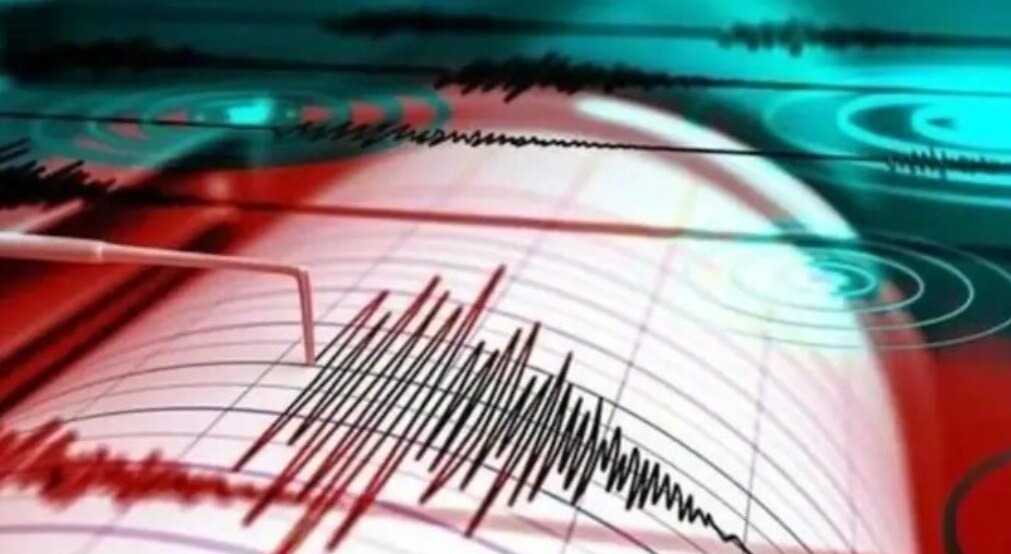



A powerful earthquake of magnitude 6.7 struck the South Shetland Islands in Antarctica today. The tremor occurred at a shallow depth of 10 km, according to the German Research Centre for Geosciences. Authorities confirmed there is no tsunami threat, and no immediate damage or casualties have been reported.
The South Shetland Islands, located near Antarctica, experienced significant seismic activity early Thursday. While the quake was strong, its remote location and lack of dense population minimized immediate risks. Global monitoring agencies quickly ruled out any tsunami danger to nearby coastlines.
Seismic Details
The German Research Centre for Geosciences (GFZ) reported the quake at a depth of 10 km, classifying it as shallow. Shallow earthquakes often produce stronger surface shaking, but in this case, the impact was limited due to the region’s sparse human presence.
Regional Impact
Authorities confirmed no reports of injuries or infrastructure damage. The US Tsunami Warning System stated that the earthquake does not pose a tsunami risk to the US Atlantic, Gulf, or Pacific coasts. The event highlights the seismic vulnerability of the Antarctic region, which has seen periodic tremors in recent years.
Global Monitoring
International agencies continue to monitor the situation, ensuring that any aftershocks or secondary risks are tracked. Scientists emphasize that such quakes, though remote, are important for understanding tectonic activity in polar regions.
Key Highlights
-
Magnitude 6.7 earthquake struck South Shetland Islands
-
Quake occurred at shallow depth of 10 km
-
No tsunami threat confirmed by US Tsunami Warning System
-
No immediate reports of damage or casualties
-
Event underscores seismic activity in Antarctic region
Sources: India Today, News24, Devdiscourse