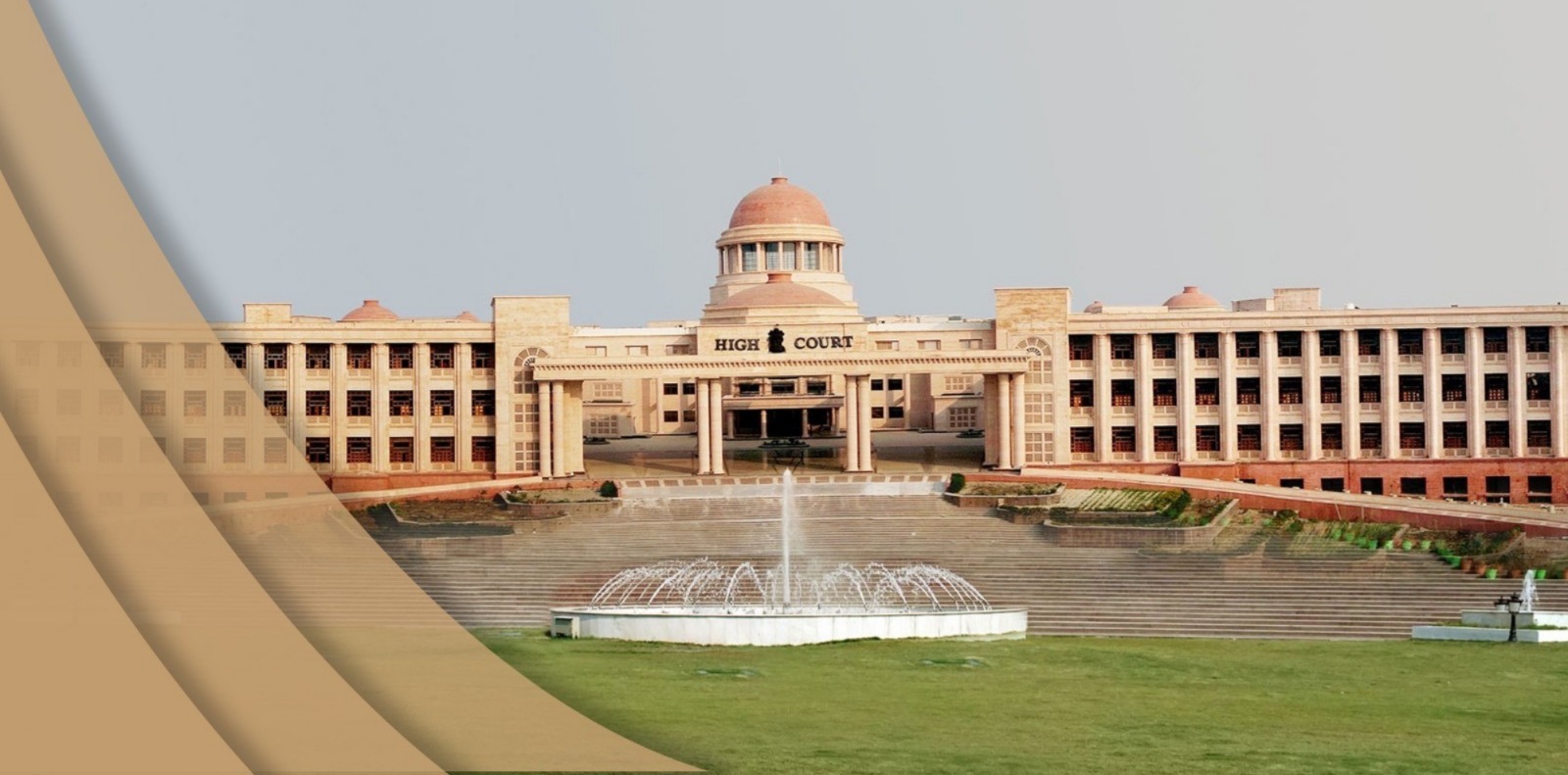






The Allahabad High Court has ruled that Registrars and Sub-Registrars under the Registration Act cannot be treated as “courts.” Consequently, Section 5 of the Limitation Act, which allows condonation of delay, does not apply to proceedings before these authorities. This clarification impacts property registration disputes and related appeals.
Justice Irshad Ali of the Allahabad High Court delivered the judgment, emphasizing that offices of Registrar, Additional Registrar, or Sub-Registrar are administrative authorities, not judicial courts. Therefore, proceedings under the Registration Act must adhere strictly to prescribed timelines without the benefit of delay condonation under Section 5.
Court’s Reasoning
The High Court observed that the Limitation Act applies only to judicial courts. Since Registrars and Sub-Registrars function as statutory authorities under the Registration Act, they cannot exercise judicial powers to condone delays. This distinction ensures procedural discipline in property-related matters.
Impact On Property Registration
The ruling has significant implications for individuals and businesses dealing with property registration. Any delay in filing applications or appeals before Registrars cannot be excused under Section 5, making timely compliance essential.
Legal Significance
By clarifying the scope of Section 5, the judgment reinforces the separation between judicial and administrative functions. It also highlights the importance of adhering to statutory deadlines in property transactions and registration disputes.
Key Highlights
-
Allahabad High Court ruling on Registration Act
-
Registrar and Sub-Registrar not considered “courts”
-
Section 5 Limitation Act not applicable to proceedings
-
Delays cannot be condoned in registration matters
-
Judgment strengthens procedural discipline in property law
Sources: Live Law Hindi, Supreme Court Judgements Archive