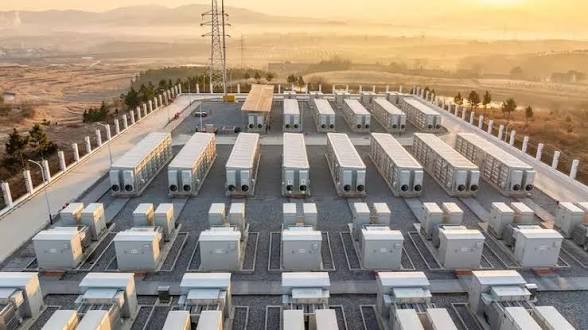




A new wave of sodium-ion battery technology promises to revolutionize electric mobility by reducing costs and dependence on rare materials. Beyond cleaner transportation, it could create new income streams for farmers, linking energy innovation with agriculture and driving a more sustainable and inclusive economic future.
The global push for sustainable energy solutions has taken a significant leap with the emergence of sodium-ion batteries. Positioned as a viable alternative to lithium-ion technology, these batteries could reshape the electric vehicle (EV) industry while unlocking new economic opportunities for rural communities.
A New Era for Electric Vehicles
Sodium-ion batteries are gaining attention for their affordability and abundance. Unlike lithium, sodium is widely available, making production less expensive and less geopolitically constrained. This shift could lower EV prices significantly, making electric mobility accessible to a broader population. Additionally, sodium-ion batteries perform better in extreme temperatures, enhancing reliability and safety.
Empowering Farmers Through Energy Innovation
One of the most compelling aspects of this development is its potential to benefit farmers. Agricultural by-products and biomass can play a role in the production ecosystem of sodium-based technologies. This creates opportunities for farmers to supply raw materials or participate in decentralized energy systems, generating supplementary income.
Reducing Dependency on Critical Minerals
The global EV supply chain currently depends heavily on lithium, cobalt, and nickel resources that are limited and often sourced under challenging conditions. Sodium-ion technology reduces this dependency, promoting a more sustainable and ethically responsible battery ecosystem. It also aligns with global efforts to diversify energy storage solutions.
India’s Strategic Advantage
Countries like India stand to benefit immensely due to abundant sodium resources and a strong agricultural base. This innovation supports national goals around clean energy, rural development, and self-reliance in battery manufacturing.
Key Highlights
-
Lower EV costs due to abundant sodium resources
-
Enhanced battery safety and performance in varied climates
-
New income opportunities for farmers through biomass and supply chains
-
Reduced reliance on lithium and other critical minerals
-
Strong alignment with sustainable energy and rural development goals
As sodium-ion batteries move closer to commercialization, they hold the promise of not just powering vehicles, but also empowering communities—bridging the gap between technological advancement and inclusive economic growth.
Sources: Industry reports, clean energy research publications, EV technology announcements