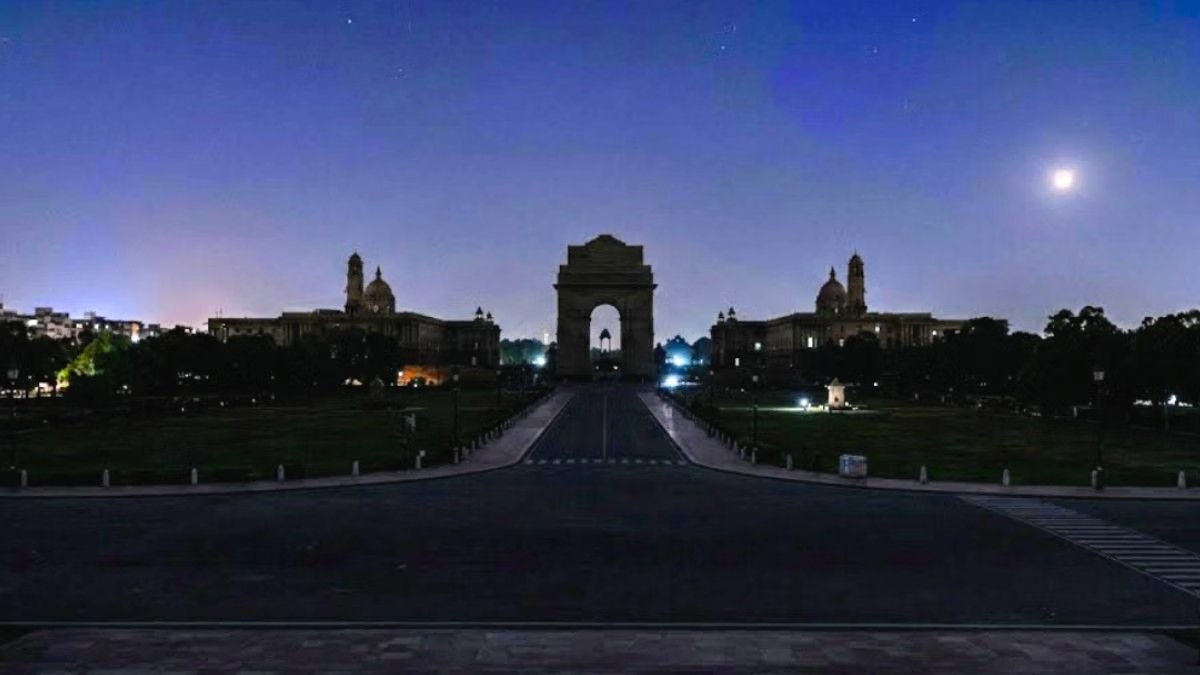




A wave of darkness swept across India as millions participated in Earth Hour 2026, switching off lights to raise awareness about climate change. Major cities, landmarks, and households joined the global initiative, reinforcing the urgent need for sustainable living and collective environmental responsibility.
India witnessed a powerful display of unity and environmental consciousness on Saturday night as cities dimmed their lights for Earth Hour 2026. From iconic monuments to residential neighborhoods, the symbolic blackout highlighted the growing awareness around climate action and energy conservation.
Cities Illuminate Purpose By Going Dark
From Delhi’s India Gate to Mumbai’s Marine Drive, major landmarks across India went dark for one hour. The initiative, organized globally by the World Wide Fund for Nature (WWF), aims to encourage individuals, communities, and governments to take meaningful steps toward reducing carbon footprints and tackling climate change.
Participation extended beyond urban centers, with smaller towns and rural communities also embracing the movement. Social media platforms were flooded with messages promoting sustainability, making Earth Hour 2026 a trending topic nationwide.
Growing Climate Awareness In India
India’s participation reflects increasing public concern about environmental issues such as air pollution, rising temperatures, and energy consumption. Schools, corporations, and local governments organized awareness campaigns, eco-drives, and community events alongside the lights-off initiative.
Experts believe such collective actions, though symbolic, play a crucial role in shaping long-term behavioral change. By encouraging energy-saving habits and sustainable practices, Earth Hour continues to influence policy discussions and individual choices alike.
Impact Beyond The Hour
While the one-hour blackout is symbolic, its impact extends far beyond. It serves as a reminder of the urgent need for renewable energy adoption, sustainable urban planning, and responsible consumption patterns.
India’s growing engagement in global environmental movements signals a shift toward greener policies and citizen-driven climate action. As the country continues to develop, balancing growth with sustainability remains a key priority.
Key Highlights
-
Cities across India observed a one-hour blackout to mark Earth Hour 2026
-
Iconic landmarks and residential areas participated in the global campaign
-
Social media amplified awareness, making the event trend nationwide
-
Increased public engagement reflects rising concern over climate change
-
The initiative promotes long-term sustainable habits and policy awareness
Sources: WWF, Environmental News Reports, Government Releases