










Follow WOWNEWS 24x7 on:


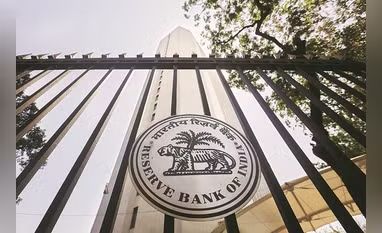
The RBI capped banks’ net open forex positions at $100 million to curb speculation and stabilize the rupee. While the move briefly strengthened the currency, the rupee soon fell to historic lows, exposing the measure’s limited impact and raising concerns about bank profitability.
Show moreStay Ahead – Explore Now! Kranti Industries Announces Disinvestment Of Subsidiary Preciso Metall Pvt. Ltd



Updated: March 30, 2026 19:16

Updated: March 29, 2026 20:22

Updated: March 28, 2026 19:03










Follow WOWNEWS 24x7 on:





Copyright 2024 WOWNEWS 24x7. All rights reserved. The WOWNEWS 24x7 is not responsible for the content of external sites. Read about our approach to external linking.
Powered By Just Imagine
