

The UK has introduced new travel rules effective February 25, 2026, including mandatory Electronic Travel Authorisation (ETA) for visa-free nationals and a fully digital eVisa system. Indian travellers remain unaffected by ETA since they require visas, but will now benefit from streamlined digital eVisas replacing physical documents and stickers.
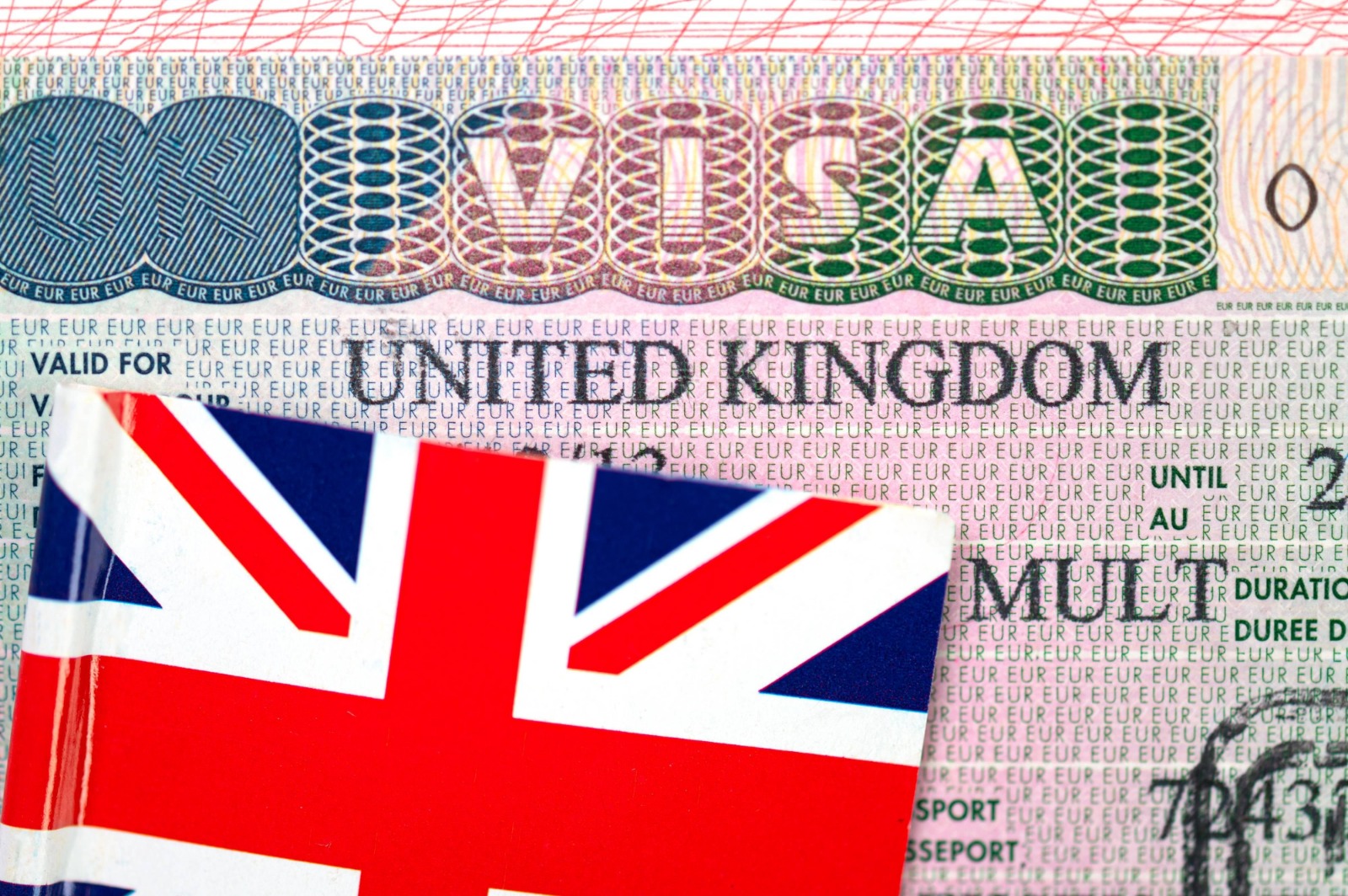
The United Kingdom has rolled out significant changes to its travel and immigration system, effective February 25, 2026. The reforms include the introduction of Electronic Travel Authorisation (ETA) for visa-free nationals and the complete transition to digital eVisas, eliminating physical visa documents and stickers.
For Indian travellers, the changes bring clarity and convenience. Since Indian passport holders are classified as visa nationals, they are not required to apply for ETA. Instead, they will continue to apply for UK visas through the standard process, which has now shifted entirely to digital eVisas. This means applicants will no longer need physical visa stickers in their passports, simplifying entry procedures and enhancing security.
Key Highlights
-
UK introduces Electronic Travel Authorisation (ETA) for visa-free nationals
-
ETA mandatory before boarding, priced at £16–£20 depending on category
-
Indian travellers remain visa nationals, unaffected by ETA requirements
-
UK eliminates physical visa stickers, moving to fully digital eVisa system
-
Digital transition aims to streamline border checks and improve security
-
Indian visitors must apply for Standard Visitor Visa via GOV.UK portal
Strategic Impact
The new rules mark a major modernization of the UK’s immigration framework. For Indian travellers, the shift to digital eVisas reduces paperwork and enhances efficiency, though visa requirements remain unchanged. Analysts note that the ETA system primarily impacts citizens of visa-exempt countries, while India’s travellers benefit from smoother, tech-enabled entry processes. The reforms also reflect the UK’s broader push to strengthen border security and adapt to global travel trends.
Sources: Firstpost, The Financial Express, Mint