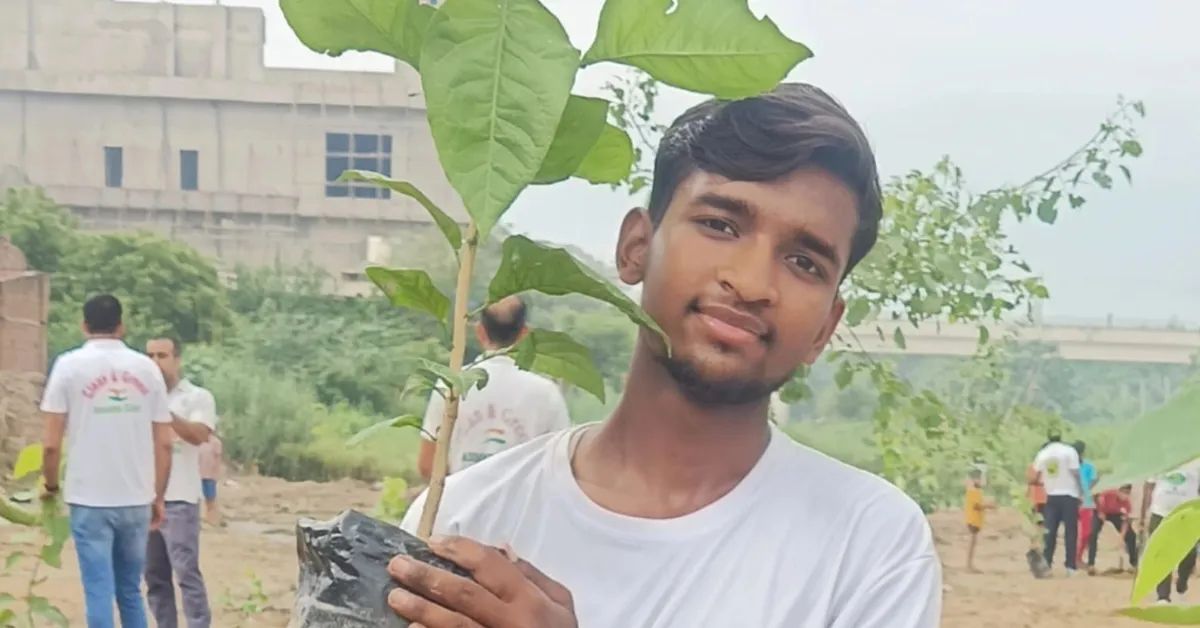




A 20-year-old Delhi youth, Karan Kumar, has uplifted the lives of 70 waste pickers by creating a structured recycling initiative that processed 450 tonnes of waste. His project not only improved incomes but also restored dignity to workers, reducing landfill burden and promoting sustainable practices in India’s capital.
In Delhi’s bustling streets, waste pickers often toil invisibly, facing irregular pay and little respect. According to The Better India, Karan Kumar, a 20-year-old from a humble background, decided to change this reality after a conversation with a waste picker named Dharma, who described the uncertainty of daily earnings.
Karan launched a recycling initiative that formalized the work of waste pickers, ensuring stable income, fair pay, and recognition. By building partnerships with local communities and recycling units, his project diverted 450 tonnes of waste from landfills, creating both environmental and social impact.
Born to a modest family from Bihar, Karan was inspired by his father’s perseverance in building a small workshop from scratch. His curiosity and determination translated into a mission to empower marginalized workers while addressing Delhi’s mounting waste crisis.
The initiative has become a model of social entrepreneurship, showing how young changemakers can drive systemic change by combining sustainability with inclusivity.
Major Takeaways
-
20-year-old Karan Kumar helped 70 Delhi waste pickers earn stable incomes
-
Initiative recycled 450 tonnes of waste, reducing landfill burden
-
Inspired by his father’s resilience, Karan built a structured recycling model
-
Waste pickers gained dignity, recognition, and financial security
-
Project highlights social inclusion alongside environmental sustainability
-
Demonstrates how youth-led innovation can transform urban challenges
Conclusion
Karan Kumar’s initiative proves that youth-driven social entrepreneurship can simultaneously tackle environmental and social issues. By recycling 450 tonnes of waste and empowering 70 waste pickers, he has created a blueprint for sustainable urban living. His work underscores the importance of dignity, inclusion, and resilience in building a greener future.
Sources: The Better India