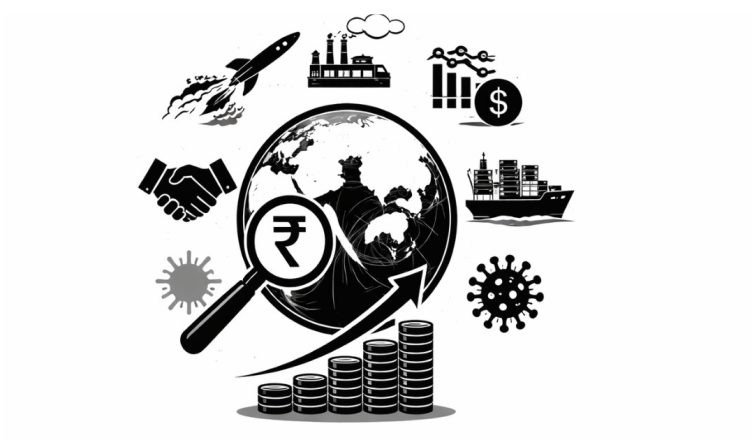



Global economic trends, including shifting trade dynamics, energy transitions, and technological disruptions, are expected to significantly influence India’s growth trajectory. Analysts highlight both opportunities and challenges, with sectors like manufacturing, digital services, and renewable energy poised to benefit, while inflationary pressures and global volatility remain key risks.
India’s economy is increasingly interconnected with global markets, making it sensitive to international developments. Recent shifts in supply chains, energy prices, and investment flows are reshaping the country’s outlook, prompting policymakers and businesses to adapt strategies for resilience and growth.
Global Trade And Supply Chains
As companies diversify supply chains away from traditional hubs, India is emerging as a preferred destination for manufacturing and exports. This trend could boost domestic industries and create new employment opportunities.
Energy And Technology
The global push toward renewable energy and digital transformation is expected to accelerate India’s adoption of clean technologies and AI-driven solutions. However, rising oil prices and inflationary pressures remain challenges for policymakers.
Key Highlights
- Global trade shifts favor India’s manufacturing sector
- Renewable energy transition creates new opportunities
- Inflationary pressures linked to oil and commodity prices
- Digital transformation reshaping services and employment
- Policy adaptation crucial for long-term resilience
Future Outlook
Experts believe India can leverage global trends to strengthen its position as a growth hub, provided it balances innovation with stability. Strategic investments in infrastructure, technology, and sustainability will be key to navigating this economic shift.
Sources: Economic Times, Business Standard, Mint, Reuters, Hindustan Times