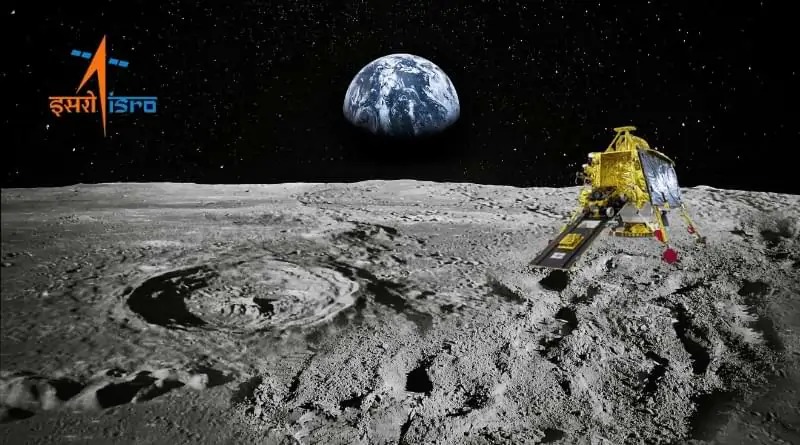






India’s ambitious Moon and Venus missions have encountered delays, with a parliamentary panel raising concerns over budget utilization and timelines. Chandrayaan-4, Chandrayaan-5, and the Venus Orbiter Mission may miss scheduled launches, highlighting challenges in execution and resource management for ISRO.
The Indian Space Research Organisation (ISRO) is facing setbacks in its upcoming interplanetary programs. A recent parliamentary report highlighted delays in both lunar and Venus missions, citing underutilization of allocated funds and operational challenges.
Moon Mission Delays
Chandrayaan-4, planned as a lunar sample return mission, was initially targeted for launch in October 2027. Designed to bring back soil from the Moon’s southern polar region, the mission is now facing timeline uncertainty due to budgetary underutilization and technical hurdles. Chandrayaan-5 has also been flagged for similar concerns.
Venus Orbiter Mission
The Venus Orbiter Mission (VOM), approved in 2024 to study the planet’s atmosphere and surface, has seen slower-than-expected progress. Lawmakers noted that funding gaps and execution delays could hinder India’s ability to meet its space exploration milestones.
Parliamentary Concerns
The House panel revealed that ISRO spent far less than the allocated ₹150 crore for Chandrayaan-4 in FY2025–26, with revised expenditure dropping to just ₹21 crore. Such underutilization, the panel warned, could compromise mission readiness and India’s competitiveness in global space exploration.
Strategic Outlook
Despite these challenges, ISRO remains committed to its long-term vision, which includes establishing a Bharatiya Antariksha Station by 2035 and enabling human landings on the Moon by 2040.
Key Highlights
-
Chandrayaan-4 lunar sample return mission delayed
-
Venus Orbiter Mission faces timeline challenges
-
Budget underutilization flagged by parliamentary panel
-
Chandrayaan-5 also impacted by funding concerns
-
ISRO’s long-term vision includes Moon landings by 2040
Sources: Deccan Herald, Business Standard, ISRO Official Release