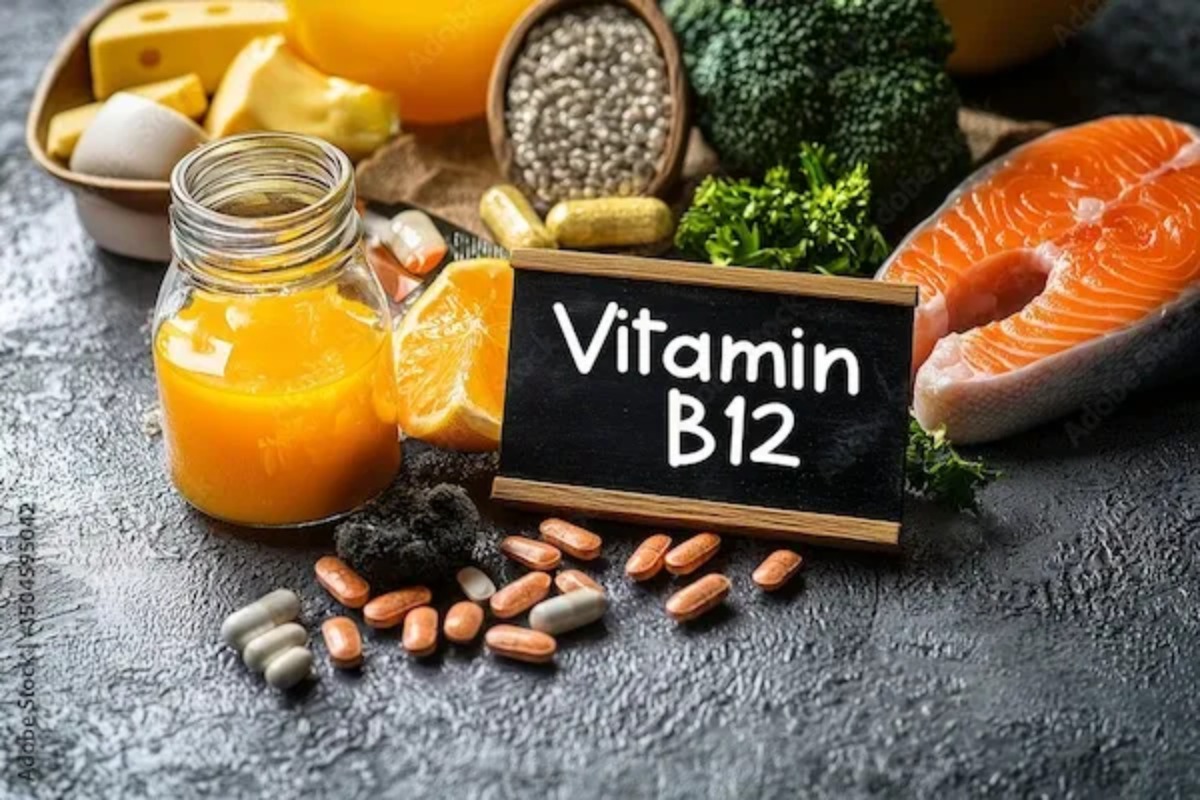





Vitamin B12 is an essential water-soluble vitamin that supports nerve health, red blood cell production, and DNA synthesis. While most adults meet their needs through diet, certain groups such as vegetarians, older adults, and those with absorption issues may require supplements. The recommended daily intake varies by age and health status.
Daily Requirement Overview
For healthy adults, the recommended daily allowance (RDA) of Vitamin B12 is 2.4 micrograms per day. Pregnant women require slightly more, around 2.6 micrograms, while breastfeeding mothers need about 2.8 micrograms. Children and adolescents have lower requirements depending on age.
Special Considerations
Individuals with Vitamin B12 deficiency, often caused by poor absorption or restrictive diets, may be prescribed higher doses ranging from 500 to 2000 micrograms daily under medical supervision. These therapeutic doses are typically delivered through supplements or injections. Excess intake is generally considered safe, as B12 is water-soluble and excreted by the body.
Dietary Sources
Vitamin B12 is naturally found in animal-based foods such as meat, fish, eggs, and dairy. Vegetarians and vegans often rely on fortified foods or supplements to meet their daily needs.
Key Highlights
-
Recommended daily intake for adults: 2.4 micrograms
-
Pregnant women: 2.6 micrograms; breastfeeding: 2.8 micrograms
-
Deficiency treatment may require 500–2000 micrograms daily
-
Found in meat, fish, eggs, and dairy; vegans need fortified sources
-
Supports nerve health, red blood cell production, and DNA synthesis
Sources: Healthline, Times Now, Medical Advisory Board Review