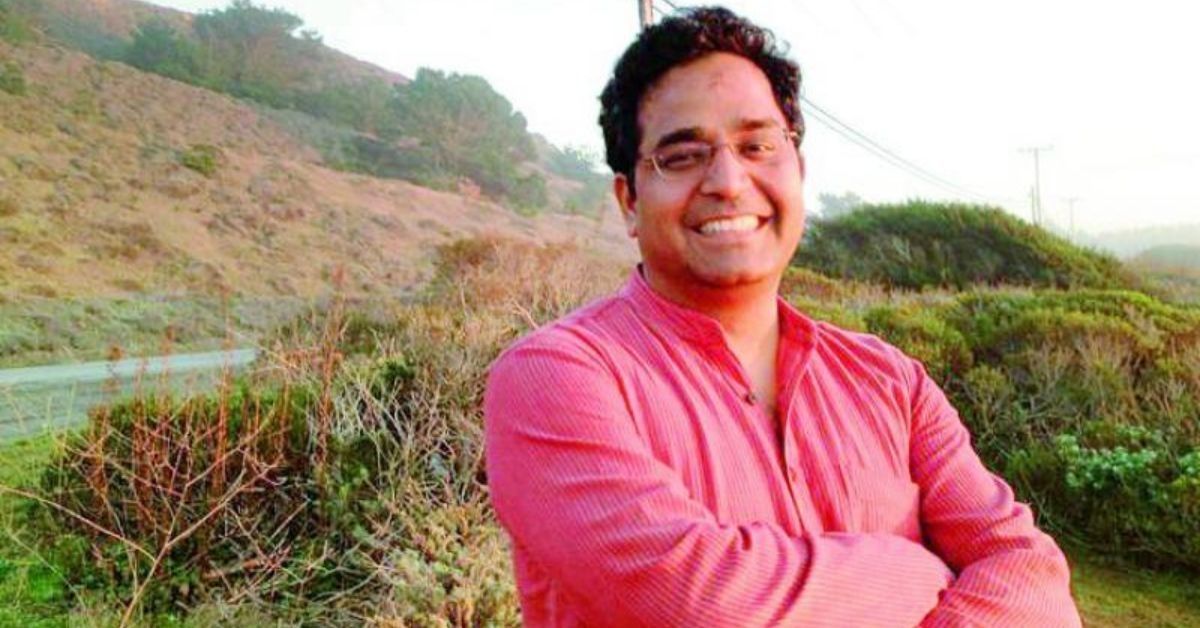



Vijay Shekhar Sharma, founder of Paytm, transformed India’s digital payments landscape by turning repeated failures into stepping stones. From struggling with English in a small town to building one of India’s largest fintech platforms, his journey reflects resilience, risk-taking, and a bold bet on the internet economy.
On March 24, 2026, The Better India profiled Sharma’s inspiring journey. His story highlights how persistence and innovation helped him overcome setbacks, eventually leading to Paytm’s role in revolutionizing how Indians transact—from booking cabs to splitting bills—making digital payments a seamless part of everyday life.
Early Struggles
• Born in Aligarh, Uttar Pradesh, Sharma faced challenges with English during his engineering studies.
• Initial ventures failed, leaving him in debt and forcing him to restart multiple times.
• Despite setbacks, he remained committed to building something impactful in the digital space.
Building Paytm
• Founded in 2010, Paytm began as a mobile recharge platform.
• Expanded into wallets, UPI, e-commerce, and financial services, becoming a household name.
• The slogan “Paytm Karo” became synonymous with India’s cashless revolution.
Impact On India
• Paytm played a pivotal role during demonetization in 2016, accelerating digital adoption.
• Today, millions of Indians use Paytm for everyday transactions, from retail to transport.
• Sharma’s vision helped normalize cashless payments, reshaping India’s financial ecosystem.
Lessons From His Journey
• Failures can be stepping stones to innovation.
• Persistence and adaptability are crucial in entrepreneurship.
• Betting on emerging technology early can yield transformative results.
Key Highlights
• Vijay Shekhar Sharma turned failures into India’s digital payments revolution
• Founder of Paytm, launched in 2010 as a recharge platform
• Expanded into wallets, UPI, and financial services
• “Paytm Karo” became a national slogan during demonetization
• Story reflects resilience, risk-taking, and innovation
Sources: The Better India, QOSHE, Startup Blogs