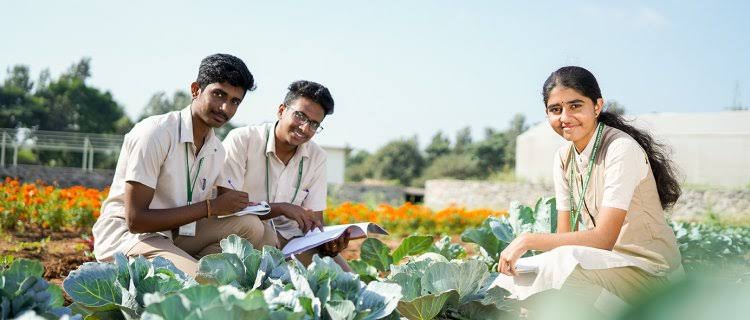







In a call to action for India's agricultural future, expert Bharane inspires students to lead research innovations that reshape farming practices, boost productivity, and ensure sustainable growth amid climate challenges.
A prominent agriculture leader, Bharane, addressed students today, emphasizing research as the cornerstone for transforming India's agricultural sector. This comes at a critical time when the sector faces demands for modernization and resilience.
Bharane's vision highlights how student-led agricultural research can drive policy reforms, technology adoption, and rural economic upliftment. By engaging young minds, India aims to secure food security and global competitiveness.
What Drives Agricultural Transformation?
Bharane outlined a roadmap where research addresses key pain points like crop yield optimization, water conservation, and pest management. He stressed integrating AI, biotechnology, and data analytics into traditional farming to create resilient agricultural systems. Students, he noted, bring fresh perspectives unburdened by outdated methods.
Empowering Students in Agri-Research
The session focused on practical steps: establishing university-led agri-research labs, fostering industry-academia partnerships, and providing grants for innovative projects. Bharane shared success stories from pilot programs that increased yields by 30% through precision farming techniques. He encouraged interdisciplinary approaches, blending agronomy with engineering and environmental science.
Key Highlights
-
India's agricultural sector contributes 18% to GDP but needs research to counter climate variability and soil degradation
-
Students urged to prototype solutions like drought-resistant seeds and smart irrigation systems
-
Government support promised via new fellowships and incubation centers for agri-startups
-
Target: Double farmer incomes by 2030 through research-backed sustainable agriculture practices
This directive aligns with national goals for agricultural innovation, positioning students as catalysts for a greener, more productive future.
Sources: Based on live announcement from agricultural symposium, March 29, 2026; Ministry of Agriculture reports.