




Rethinking Democracy: Why India Needs Gen Z Voices In Power
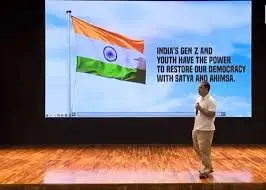
India’s Democratic Crossroads
India, the world’s largest democracy, is witnessing a generational shift. While traditional political structures remain dominated by older leaders, the aspirations of younger citizens are increasingly demanding space. Gen Z, born into a digital-first, globally connected era, is pushing for transparency, inclusivity, and accountability in governance.
The Case For Gen Z Leadership
Gen Z leaders bring fresh perspectives shaped by exposure to technology, climate change debates, and global social movements. Their emphasis on equality, sustainability, and innovation aligns with the challenges India faces today. Unlike earlier generations, they are less bound by legacy politics and more focused on pragmatic solutions.
Technology And Political Engagement
Digital platforms have empowered Gen Z to engage with politics in real time. From online activism to grassroots campaigns, their ability to mobilize communities is unprecedented. This digital fluency positions them to modernize governance, enhance citizen participation, and bridge the gap between government and society.
Challenges To Representation
Despite their potential, structural barriers remain. Political parties often prioritize dynastic leadership or seasoned candidates, leaving little room for young voices. Gen Z leaders must navigate entrenched systems, limited resources, and skepticism about their experience. Overcoming these hurdles requires institutional reforms and mentorship opportunities.
The Future Of Democracy
India’s democratic resilience depends on adapting to generational shifts. Gen Z’s entry into politics is not just about representation—it is about rethinking power structures to ensure democracy remains relevant and responsive. Their leadership could redefine governance, making it more inclusive, innovative, and future-ready.
Key Highlights
* India’s democracy faces generational shifts demanding youth representation
* Gen Z leaders emphasize equality, sustainability, and pragmatic solutions
* Digital fluency enables Gen Z to modernize governance and citizen engagement
* Structural barriers limit youth entry into mainstream politics
* Future of democracy depends on embracing Gen Z leadership
Sources: The Hindu, Indian Express, Observer Research Foundation
Stay Ahead – Explore Now! India–Israel Relations Strengthen: FTA and Defence Cooperation in Focus

Latest Updates

What Happens When Parenting Becomes A Journey Of C...
39 minutes ago
Worshipped On And Off Screen: This Actor's Timeles...
42 minutes ago
Migration Mystery Solved: Leg Tag Maps Spoon-Bille...
47 minutes ago

Top Stories
What Happens When Parenting Becomes A Journey Of C...
39 minutes ago
Worshipped On And Off Screen: This Actor's Timeles...
42 minutes ago