




India’s Future Workforce: Why A New Education Model Is Essential In 2026, Karnataka Leads The Path
India’s Education-To-Employment Challenge
India has achieved remarkable progress in expanding access to higher education, with enrolment figures crossing 4.3 crore students. Yet, employability remains a weak link. Employers consistently highlight gaps in technical skills, problem-solving abilities, and adaptability. This disconnect between academic learning and workplace readiness is fueling the demand for a new education-to-employment model.
Karnataka’s Proactive Approach
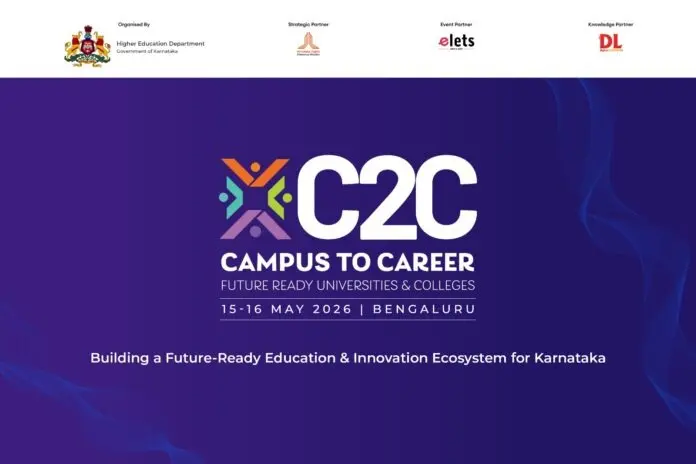
Karnataka has positioned itself at the forefront of this transformation. With a Gross Enrolment Ratio (GER) of 36%, higher than the national average, the state is investing in skill development, industry partnerships, and innovation-driven curricula. Initiatives such as the Campus to Career Summit and collaborations with tech companies are designed to ensure students graduate with both degrees and job-ready skills.
The Role Of Emerging Sectors
Bengaluru’s thriving innovation ecosystem is a key driver of Karnataka’s leadership. The AVGC-XR sector (Animation, Visual Effects, Gaming, Comics, and Extended Reality) is projected to create 20 lakh jobs over the next five years. By aligning education with these emerging industries, Karnataka is setting a benchmark for how states can prepare students for future opportunities.
Building A New Model
- The education-to-employment model being advocated emphasizes:
- Industry-linked curricula tailored to evolving market needs
- Mandatory internships and apprenticeships for practical exposure
- Digital literacy and emerging technology training
- Career counseling and mentorship programs
- Skill-based certifications alongside traditional degrees
Impact On Students And Employers
For students, this model reduces the uncertainty of post-graduation employment, ensuring smoother career transitions. For employers, it delivers a workforce equipped with relevant skills, reducing onboarding costs and improving productivity. The broader impact is a more competitive India in global markets, with graduates ready to contribute from day one.
Challenges To Implementation
Despite Karnataka’s progress, challenges remain. Universities across India must adapt curricula, rural institutions need resources, and policymakers must ensure inclusivity. Without systemic reforms, the benefits may remain unevenly distributed.
Key Highlights
* India’s higher education enrolment exceeds 4.3 crore students with GER at 28.4%
* Karnataka leads with GER of 36% and industry-linked initiatives
* Campus to Career Summit bridges education and employability gaps
* AVGC-XR sector in Karnataka expected to generate 20 lakh jobs in five years
* New model focuses on skills, internships, and industry partnerships
Sources: The Hindu, Economic Times, DigitalLEARNING Magazine
Stay Ahead – Explore Now! Historic Moment: Bank Branch Reopens in Maoist-Affected Jagargunda, Chhattisgarh After 25 Years

Latest Updates

What Happens When Parenting Becomes A Journey Of C...
40 minutes ago
Worshipped On And Off Screen: This Actor's Timeles...
43 minutes ago
Migration Mystery Solved: Leg Tag Maps Spoon-Bille...
47 minutes ago

Top Stories
What Happens When Parenting Becomes A Journey Of C...
40 minutes ago
Worshipped On And Off Screen: This Actor's Timeles...
43 minutes ago