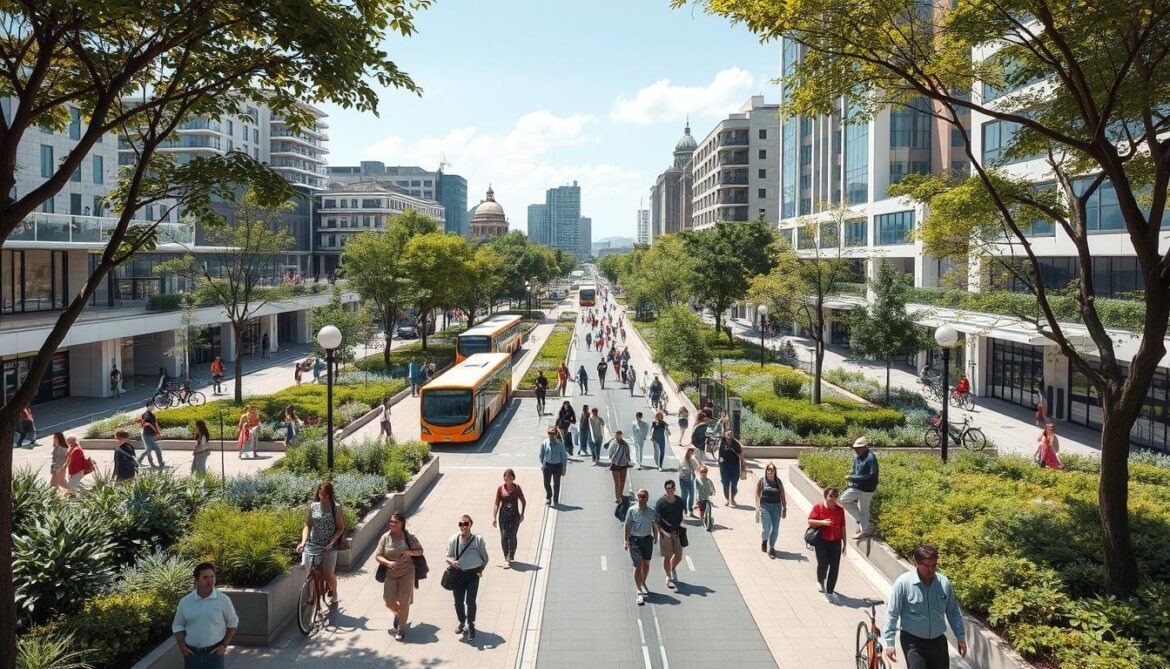





Urban planners and researchers highlight that the rise of walkable, mixed-use neighborhoods is quietly reshaping cities worldwide. This trend emphasizes sustainable design, reduced car dependency, and community-focused spaces, improving quality of life while addressing climate challenges and fostering economic resilience in rapidly growing urban environments.
Cities across the globe are undergoing subtle yet powerful transformations. Instead of sprawling developments, planners are prioritizing compact, pedestrian-friendly areas that integrate housing, workspaces, retail, and recreation. This shift reflects growing demand for sustainable living and healthier urban ecosystems.
Significance Of Walkable Urbanism
Walkable neighborhoods reduce reliance on cars, cut emissions, and encourage healthier lifestyles. They also foster stronger community ties by creating vibrant public spaces where people can interact, shop locally, and engage in cultural activities.
Global Adoption
From European capitals to Indian metros, cities are embracing mixed-use zoning and green infrastructure. Investments in cycling lanes, public transport, and eco-friendly housing are central to this transformation, making urban living more inclusive and environmentally responsible.
Key Highlights
- Walkable, mixed-use neighborhoods gaining global traction
- Reduced car dependency lowers emissions and congestion
- Public spaces foster community engagement and local economies
- Green infrastructure supports sustainability and resilience
- Trend reshaping cities in Europe, Asia, and North America
Future Outlook
Experts believe this urban trend will accelerate as cities confront climate change and population growth. By prioritizing walkability and sustainability, urban centers are evolving into healthier, more connected, and future-ready communities.
Sources: World Economic Forum, Hindustan Times, Economic Times, Business Standard, Mint