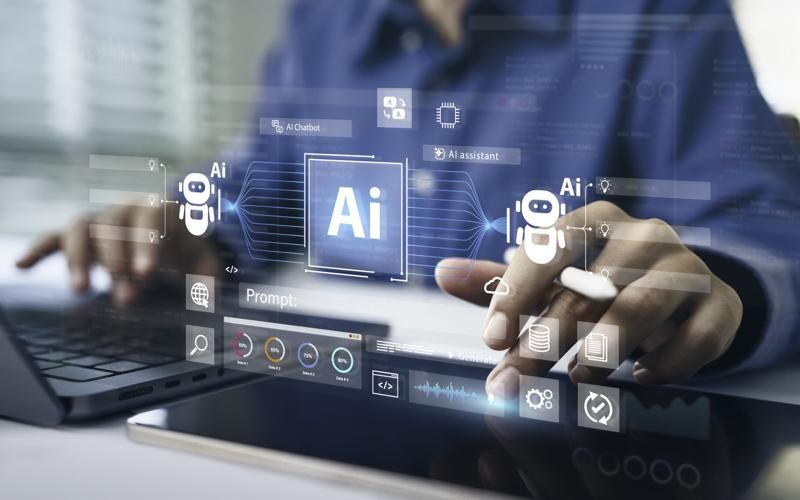




Artificial intelligence is rapidly transforming the global workforce, reshaping industries and redefining traditional roles. From automation in manufacturing to AI-driven analytics in finance and healthcare, millions of jobs are evolving. Experts stress that while AI creates efficiencies, it also demands reskilling and adaptation to new digital realities.
The rise of AI is no longer a distant future—it is happening now. Businesses worldwide are integrating machine learning, robotics, and generative AI into daily operations, changing how employees work and how companies deliver value. This silent revolution is altering career paths and workplace structures.
Impact On Industries
Manufacturing and logistics are seeing automation streamline processes, while finance and healthcare increasingly rely on AI for predictive analytics and diagnostics. Creative industries are also adopting generative AI tools, reshaping content creation and design.
Workforce Transformation
As AI adoption grows, employees are expected to reskill and adapt to hybrid roles that blend human expertise with machine efficiency. Governments and organizations are investing in training programs to prepare workers for this evolving landscape.
Key Highlights
- AI adoption accelerating across industries worldwide
- Automation reshaping manufacturing and logistics
- Finance and healthcare leveraging AI for analytics and diagnostics
- Creative industries embracing generative AI tools
- Reskilling and adaptation critical for workforce resilience
Future Outlook
Experts predict AI will continue to expand its influence, creating new opportunities while challenging traditional job structures. The focus will remain on balancing innovation with inclusivity, ensuring workers are equipped to thrive in the digital economy.
Sources: World Economic Forum, Economic Times, Business Standard, Hindustan Times, Mint