



Psychologists and educators emphasize that responsibility is the foundation of independence. Teaching children accountability through chores, routines, and life skills helps them transition smoothly from school to university or work. Structured responsibility builds confidence, adaptability, and resilience, ensuring young adults thrive when faced with the challenges of independent living.
As children prepare to leave school and step into adulthood, the ability to manage independence becomes crucial. According to Gulf News, The Manthan School, and Times of India, responsibility is not just about completing tasks—it is about cultivating discipline, accountability, and adaptability.
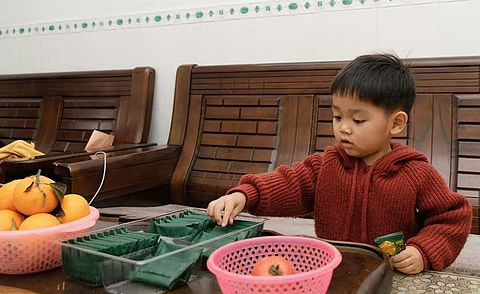
Experts argue that independence begins at home. When children contribute to household chores, they learn time management, problem-solving, and accountability. These lessons extend beyond practical skills, shaping their ability to handle transitions such as moving to university hostels or entering the workforce.
Psychologists highlight that adaptability is innate, but ease in transition is cultivated through consistent routines and structured responsibilities. Parents play a vital role by modeling responsible behavior and encouraging children to take ownership of age-appropriate tasks. From organizing schoolwork to managing appointments, these small responsibilities prepare them for larger life challenges.
The emphasis is on gradual empowerment—allowing children to make decisions, face consequences, and learn resilience. This approach ensures that independence is not overwhelming but rather a natural progression supported by years of preparation.
Major Takeaways
-
Responsibility is the foundation of independence and adaptability
-
Household chores teach time management, accountability, and problem-solving
-
Independence begins at home through consistent routines and structured responsibilities
-
Childhood modeling of responsible behavior shapes adult discipline
-
Age-appropriate tasks like organizing, scheduling, and managing chores prepare children for larger challenges
-
Gradual empowerment builds confidence and resilience for life after school
Conclusion
Preparing children for independence requires more than willpower—it demands responsibility, structure, and consistent practice. By instilling accountability early, parents and educators equip young adults with the tools to thrive in university, work, and beyond. Responsibility, when nurtured patiently, becomes the greatest gift for a child’s future success.
Sources: Gulf News, The Manthan School, Times of India