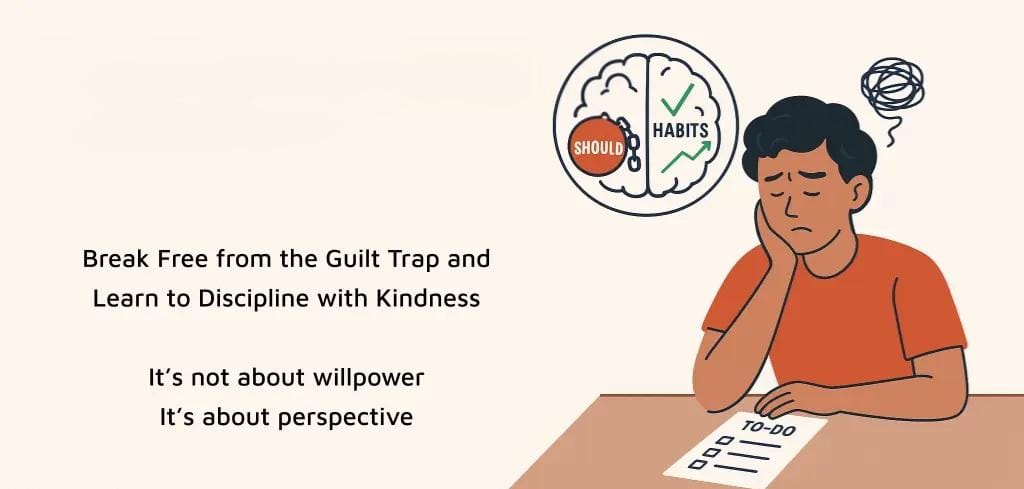




Recent psychological studies show that self-discipline struggles are not due to weak willpower but to the nervous system associating certain behaviors with emotional pain or punishment. True discipline requires emotional safety and supportive environments, shifting the focus from sheer determination to reconditioning how the brain perceives effort and reward.
The Hidden Truth Behind Self-Discipline
New psychological research is overturning the old belief that failures in self-discipline stem from weak willpower. Instead, experts reveal that the nervous system often resists behaviors tied to negative emotional experiences such as criticism, punishment, or rejection. In other words, when people attempt to enforce discipline, their brain may interpret the effort as unsafe, triggering resistance. This reframes discipline not as a battle of grit, but as a matter of emotional safety and biological conditioning—where success depends less on sheer determination and more on how the brain perceives effort and reward.
Key Highlights
-
Self-discipline is not a willpower deficit but a nervous system response shaped by past experiences
-
Behaviors linked to punishment, criticism, or rejection are often resisted because the brain prioritizes safety over goals
-
The concept of ego depletion, once dominant, is being replaced by models emphasizing emotional and biological factors
-
Metabolic health and inflammation also play a role in how effectively the brain manages self-control, showing discipline is partly biological
-
Supportive environments and positive reinforcement can help rewire the nervous system to embrace discipline without triggering resistance
Why This Matters
This perspective changes how individuals and organizations approach motivation, productivity, and wellness. Instead of blaming people for laziness or lack of grit, the focus shifts to creating emotionally safe conditions and healthier lifestyles that enable discipline to flourish. For professionals, educators, and leaders, this means designing systems that reduce criticism and foster encouragement.
Sources: Global English Editing,Psychology Today, Stephen Montagne, Ego Depletion Research