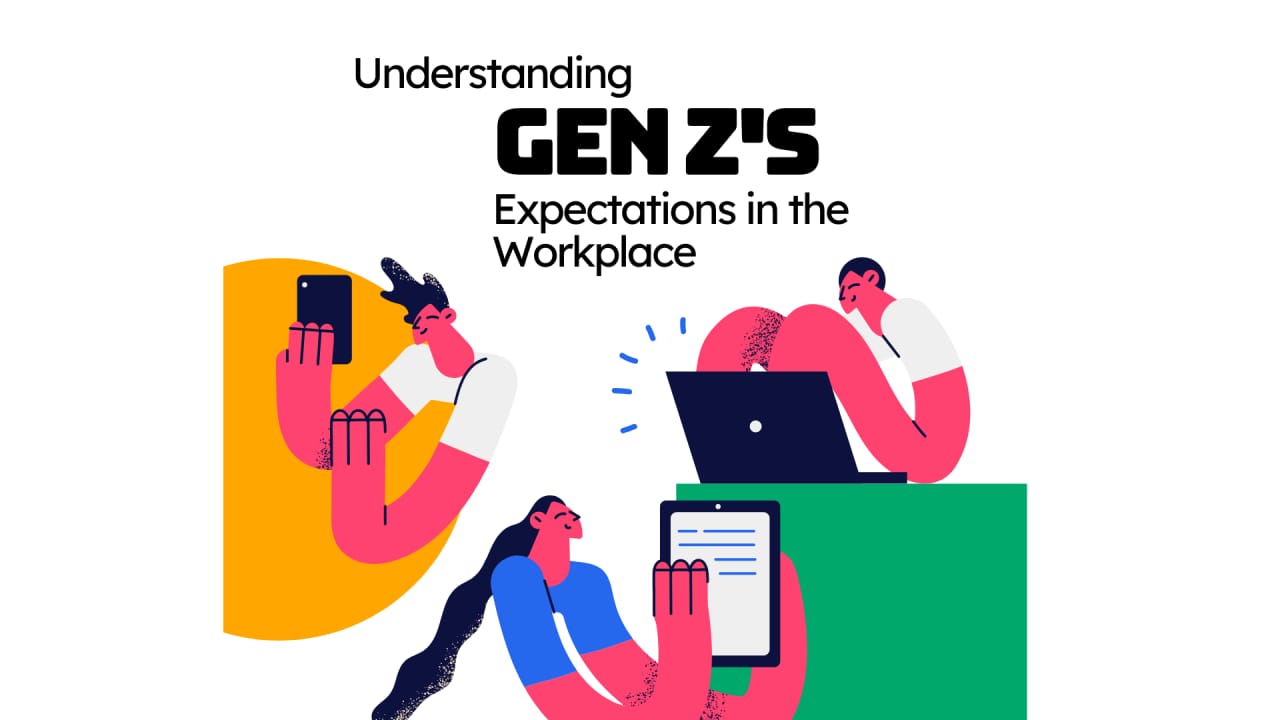



Promotions once symbolized success, but for Gen Z, they often represent stagnation. Young professionals increasingly value skill-building, flexibility, and purpose over climbing corporate ladders. This cultural shift challenges organizations to rethink incentives, focusing on growth opportunities and meaningful work rather than titles and pay hikes.
Generation Z, born between the mid-1990s and early 2010s, is entering the workforce with a radically different mindset compared to Millennials and Gen X. For them, promotions are not the ultimate career goal but sometimes a barrier to continued learning and personal growth. Instead of chasing titles, they are reshaping corporate culture by prioritizing skill development, balance, and meaningful engagement. This shift is forcing organizations to reconsider how they motivate and retain talent.
Key Highlights
-
Gen Z views promotions as limiting when they reduce opportunities to learn new skills or explore diverse roles. They seek experiences that expand adaptability and knowledge rather than rigid hierarchies.
-
Many young workers embrace “career minimalism” - designing careers that fit their lives rather than consuming them. This means fewer late nights, less obsession with titles, and more focus on balance and meaning.
-
Unlike older generations, Gen Z openly questions unrealistic deadlines and workplace norms. Their candidness reflects a desire for transparency and fairness rather than blind compliance.
-
Burnout culture is a major driver of this rebellion. Having witnessed Millennials struggle with overwork, Gen Z consciously rejects the idea that success requires sacrificing mental health and personal life.
-
Employers are being challenged to rethink corporate incentives. Instead of promotions and pay raises alone, Gen Z values mentorship, skill development programs, flexible schedules, and opportunities to contribute to socially impactful projects.
-
This generational change is not about laziness but about redefining success. For Gen Z, fulfillment comes from continuous growth, autonomy, and meaningful contributions rather than climbing rigid ladders.
The evolving workplace dynamic highlights a generational shift where promotions no longer serve as the primary motivator. Companies that adapt by offering skill-building, flexibility, and purpose-driven opportunities will be better positioned to attract and retain Gen Z talent.
Sources: India Today, LinkedIn, The CSR Journal