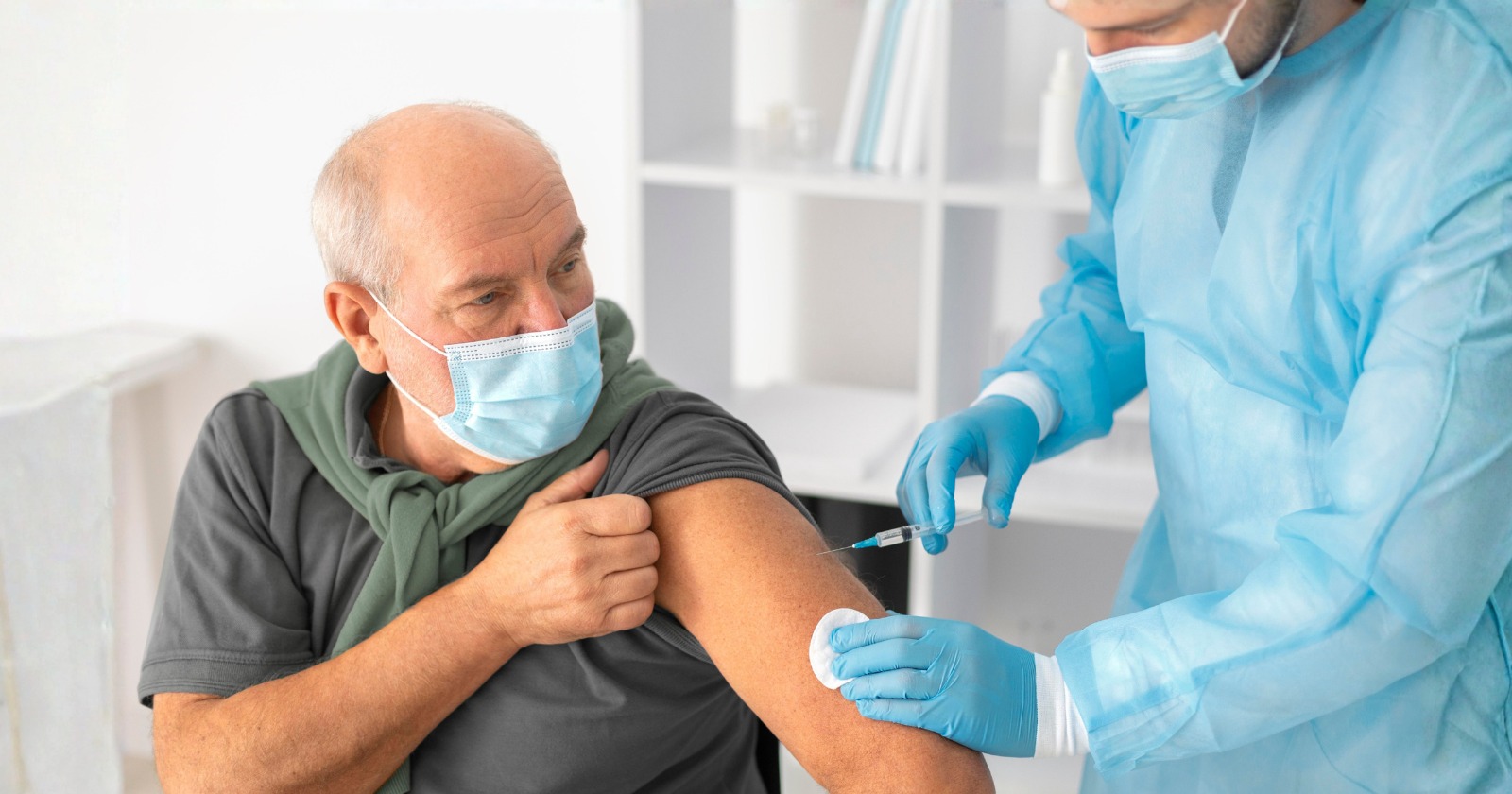






A new study reveals that the shingles vaccine may slow biological ageing in older adults. Beyond protecting against shingles, the vaccine is linked to reduced inflammation, slower genetic ageing, and improved long-term health outcomes. Researchers highlight its potential role in combating age-related diseases and enhancing healthy longevity.
A groundbreaking study has found that the shingles vaccine offers more than protection against the painful varicella zoster virus—it may also slow biological ageing. Conducted by researchers at the University of Southern California’s Leonard Davis School of Gerontology, the study examined over 3,800 Americans aged 70 and older, revealing significant anti-ageing effects.
The findings suggest that vaccination correlates with lower chronic inflammation, slower epigenetic and transcriptomic ageing, and overall healthier ageing trajectories. Scientists believe the vaccine may help reduce risks of age-related conditions such as heart disease, stroke, dementia, and frailty by calming “inflammaging”-the low-grade inflammation tied to ageing.
Key Highlights
-
Shingles vaccine linked to slower biological ageing in older adults
-
Study conducted on 3,800 participants aged 70 and above
-
Vaccinated individuals showed reduced inflammation and slower genetic ageing
-
Potential benefits include lower risks of dementia, heart disease, and frailty
-
Effects may last several years after vaccination, offering long-term health gains
Strategic Impact
The discovery positions the shingles vaccine as a dual-benefit intervention—protecting against disease while potentially extending healthy lifespan. Analysts note that such findings could reshape public health strategies, encouraging broader vaccination uptake among older populations. By addressing both infectious disease prevention and ageing-related decline, the vaccine may play a pivotal role in advancing longevity science.
Sources: USC Leonard Davis School of Gerontology, ScienceAlert, ScienceDaily