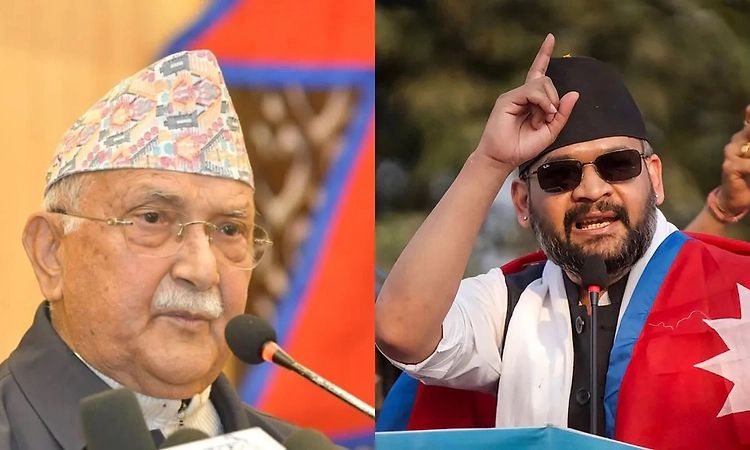






In a stunning political upset, Balendra Shah, a rookie leader from the Rastriya Swatantra Party (RSP), defeated four-time Prime Minister KP Sharma Oli in Nepal’s parliamentary elections. With RSP emerging as the largest force, Shah is set to lead the formation of the next government, signaling a generational shift in Nepalese politics.
Nepal’s political landscape witnessed a dramatic change as Balendra Shah, popularly known as “Balen,” secured victory over veteran leader KP Sharma Oli. The RSP’s rise reflects growing public demand for fresh leadership and reform-oriented governance.
RSP’s Emergence As A Dominant Force
The RSP, founded only a few years ago, has rapidly gained traction among Nepal’s youth and urban voters. Its focus on transparency, anti-corruption measures, and modernization resonated strongly, enabling it to secure a decisive mandate in the elections.
Implications For Nepal’s Politics
Shah’s victory marks a generational shift in leadership, challenging traditional party dominance. Analysts suggest the RSP’s success could reshape Nepal’s governance model, prioritizing accountability, economic reforms, and citizen-centric policies.
Key Highlights
• Balendra Shah defeated four-time PM KP Sharma Oli
• RSP emerged as the largest party in Nepal’s elections
• Shah set to lead formation of the next government
• Victory signals generational and reformist shift in politics
• Focus on transparency, accountability, and modernization
Conclusion
Balendra Shah’s triumph represents a turning point in Nepal’s democratic journey, with the RSP poised to redefine governance. The outcome underscores citizens’ demand for change and sets the stage for a new era in Nepalese politics.
Sources: The Kathmandu Post, Hindustan Times, ANI News, The Hindu