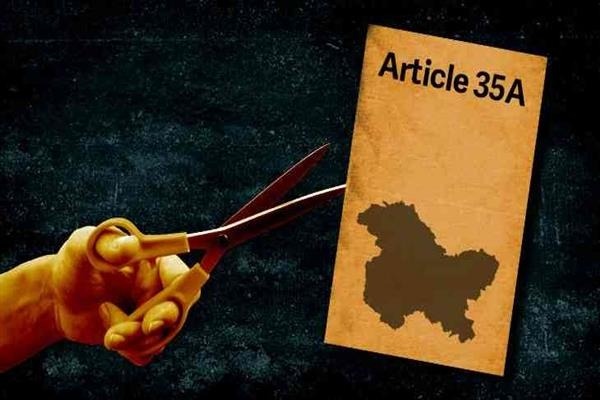





Article 35A, introduced through a Presidential Order in 1954, has long been debated for undermining the sanctity of the Constitution of India. Critics argue that it bypassed parliamentary approval, making the Constitution itself the first casualty of this controversial provision.
The debate around Article 35A continues to spark discussions on constitutional integrity and democratic process. While it granted special rights to Jammu and Kashmir residents, its method of introduction raised questions about legality and the supremacy of Parliament.
Historical Context
Article 35A was added to the Constitution without parliamentary debate, through the Constitution (Application to Jammu and Kashmir) Order, 1954. This move is often criticized as setting a precedent where constitutional amendments bypassed established procedures.
Impact On Constitutional Principles
By creating exceptions for one state, Article 35A challenged the idea of equality before law. Legal experts argue that the provision weakened the uniformity of rights guaranteed under the Constitution, thereby making the Constitution itself appear compromised.
Contemporary Relevance
The abrogation of Article 370 in 2019 also nullified Article 35A, but its legacy remains a reminder of how constitutional processes can be altered. The debate highlights the importance of safeguarding democratic procedures in amending foundational laws.
Key Highlights
-
Article 35A introduced via Presidential Order in 1954
-
Bypassed parliamentary approval, raising legal concerns
-
Granted special rights to Jammu and Kashmir residents
-
Criticized for undermining constitutional equality
-
Nullified after abrogation of Article 370 in 2019
Sources: The Hindu, Indian Express, Bar & Bench, LiveLaw