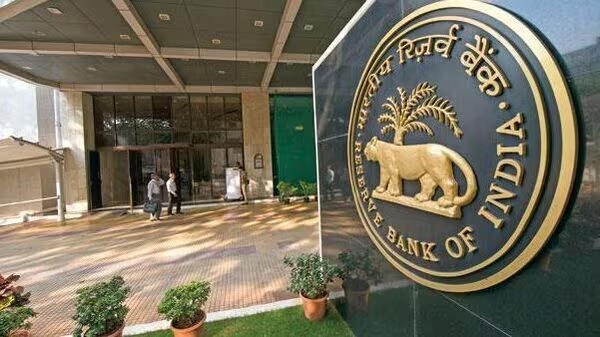




India’s central bank is closely monitoring inflationary pressures as geopolitical tensions escalate globally. With crude oil prices volatile and supply chains disrupted, the Reserve Bank of India (RBI) is expected to weigh its monetary stance carefully to balance growth and price stability in the coming months.
The RBI has maintained a cautious approach, keeping rates steady while signaling vigilance on inflation. Analysts suggest that the ongoing war and rising commodity prices could push consumer inflation higher, challenging the central bank’s ability to sustain accommodative policies.
Global And Domestic Pressures
Global crude oil prices remain elevated, raising concerns about India’s import bill and fiscal balance. Domestically, food inflation has shown early signs of firming, particularly in pulses and cereals. These factors could influence RBI’s inflation outlook and policy decisions.
Policy Outlook
While growth remains resilient, the RBI may adopt a wait-and-watch approach, focusing on liquidity management and foreign exchange stability. Any sharp rise in inflation could prompt a shift toward tightening measures, though the central bank is expected to prioritize stability amid global uncertainty.
Key Highlights
-
RBI tracks inflation risks amid global war volatility
-
Crude oil prices and supply chain disruptions add pressure
-
Food inflation shows early signs of firming
-
Monetary stance remains cautious with focus on stability
-
Policy outlook hinges on balancing growth and inflation
Sources: Reuters, Economic Times, Mint, Business Standard