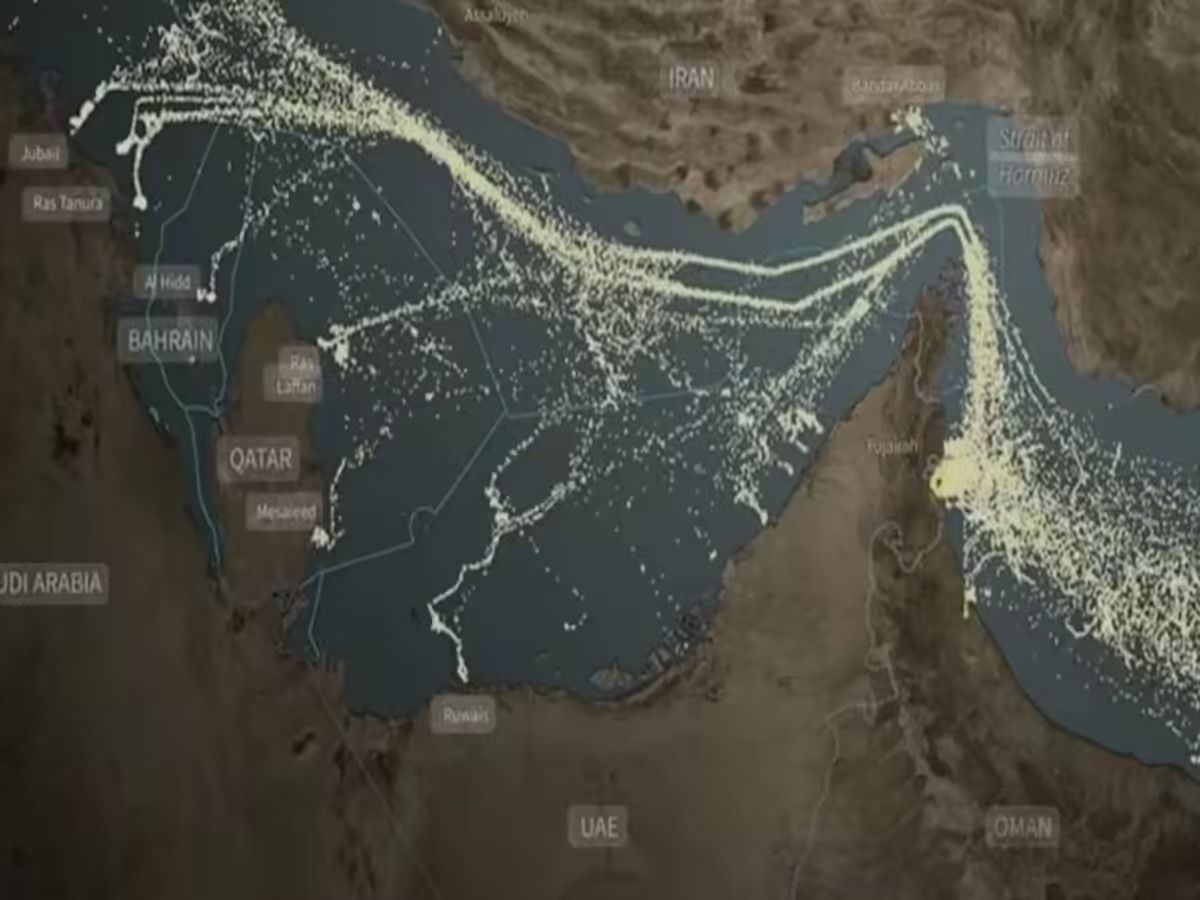





The Strait of Hormuz, a global oil transit chokepoint, is also critical for India’s internet. Rising tensions in West Asia have disrupted subsea cable repairs, threatening nearly one-third of India’s westward data traffic. Experts warn that rerouting capacity is limited, making India’s digital economy vulnerable to geopolitical shocks.
Strategic Importance of the Strait:
-
The Strait of Hormuz carries 20% of global oil shipments and is now a hotspot due to the Israel–Iran conflict.
-
Beyond energy, it is a corridor for subsea internet cables, crucial for India’s international data flows.
Impact on India’s Internet:
-
Nearly one-third of India’s westward internet traffic passes through cables routed via Hormuz.
-
Alternate routes (via the Red Sea or Mediterranean) have limited capacity, making rerouting difficult.
-
Rising tensions have halted repair operations on damaged cables since late 2025, worsening risks.
Economic & Digital Risks:
-
Disruptions could lead to slower internet speeds, higher latency, and increased costs for businesses and consumers.
-
India’s IT services, fintech, and e-commerce sectors are particularly vulnerable, given their reliance on seamless global connectivity.
-
The crisis adds to inflationary pressures already triggered by oil price hikes.
Global Context:
-
The Strait was considered a safer alternative to the Red Sea corridor, which has faced piracy and conflict.
-
With Hormuz now unstable, global internet redundancy strategies are under strain, exposing systemic weaknesses.
Why This Matters
India’s digital economy — from outsourcing hubs in Bengaluru to fintech startups in Mumbai — depends on reliable international bandwidth. A prolonged disruption could affect cloud services, video streaming, financial transactions, and even government digital initiatives.
This crisis highlights the need for India to:
-
Diversify subsea cable routes through Southeast Asia and Africa.
-
Invest in satellite internet and domestic redundancy to reduce dependence on chokepoints.
-
Strengthen regional cooperation for cable security and repair operations.
Conclusion
The Strait of Hormuz crisis is no longer just about oil — it’s about data, connectivity, and India’s digital future. With one-third of its internet traffic at risk, India must urgently rethink its digital infrastructure resilience. The episode is a reminder that in today’s world, geopolitics and cyberspace are inseparably linked.
Sources: The Week, India TV News, News18, Times of India, Times Now, RNA