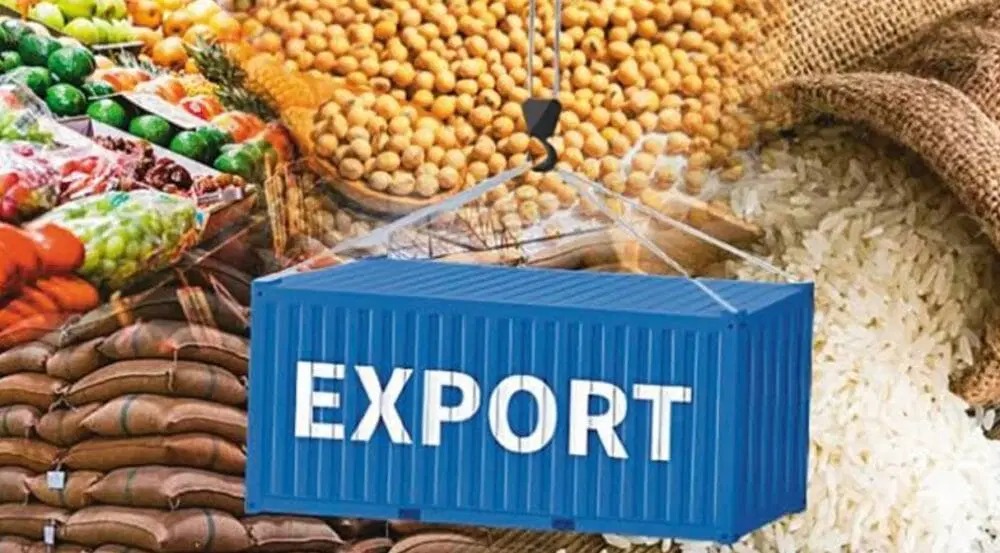




India’s Trade Secretary highlighted multiple developments this month: exports to West Asia have been disrupted by regional conflict, Russian oil purchases have increased, and a potential India-U.S. trade deal hinges on Washington’s efforts to re-establish global tariff rates. These updates reflect India’s pragmatic approach to navigating volatile global trade dynamics.
India’s trade outlook reflects a complex balancing act amid global volatility. Energy security, disrupted exports, and evolving tariff negotiations are shaping policy decisions as New Delhi navigates shifting geopolitical and economic landscapes.
Exports To West Asia
Conflict in West Asia has disrupted India’s export flows, impacting sectors such as textiles, machinery, and gems. Shipping delays and reduced demand are creating uncertainty for exporters, prompting diversification into alternative markets.
India-U.S. Trade Deal And Tariff Architecture
The Trade Secretary confirmed that a new trade agreement with the U.S. will be signed once Washington re-establishes global tariff rates. The U.S. is currently working on recreating its tariff architecture, which will shape future bilateral trade terms.
Energy Security And Oil Supplies
India has increased Russian oil imports this month to secure affordable energy. However, Venezuelan oil supplies have not yet arrived, adding pressure to diversify sources and stabilize domestic fuel availability.
Legal Impact Of U.S. Investigations
India is examining the implications of U.S. Section 301 investigations, which could affect trade policies and market access. Officials are preparing responses to safeguard national interests.
Trade Highlights
-
Exports to West Asia disrupted by conflict
-
India-U.S. trade deal pending tariff restructuring
-
U.S. working on global tariff architecture
-
Russian oil purchases increased for energy security
-
Venezuelan oil supplies still pending
-
India examining legal impact of U.S. Section 301 investigations
Future Outlook
India’s trade strategy reflects a careful balance between securing energy needs, diversifying export markets, and preparing for evolving U.S. tariff policies. Analysts expect these factors to remain central to India’s external trade policy in the months ahead.
Sources: Reuters, Economic Times, Business Standard, Mint