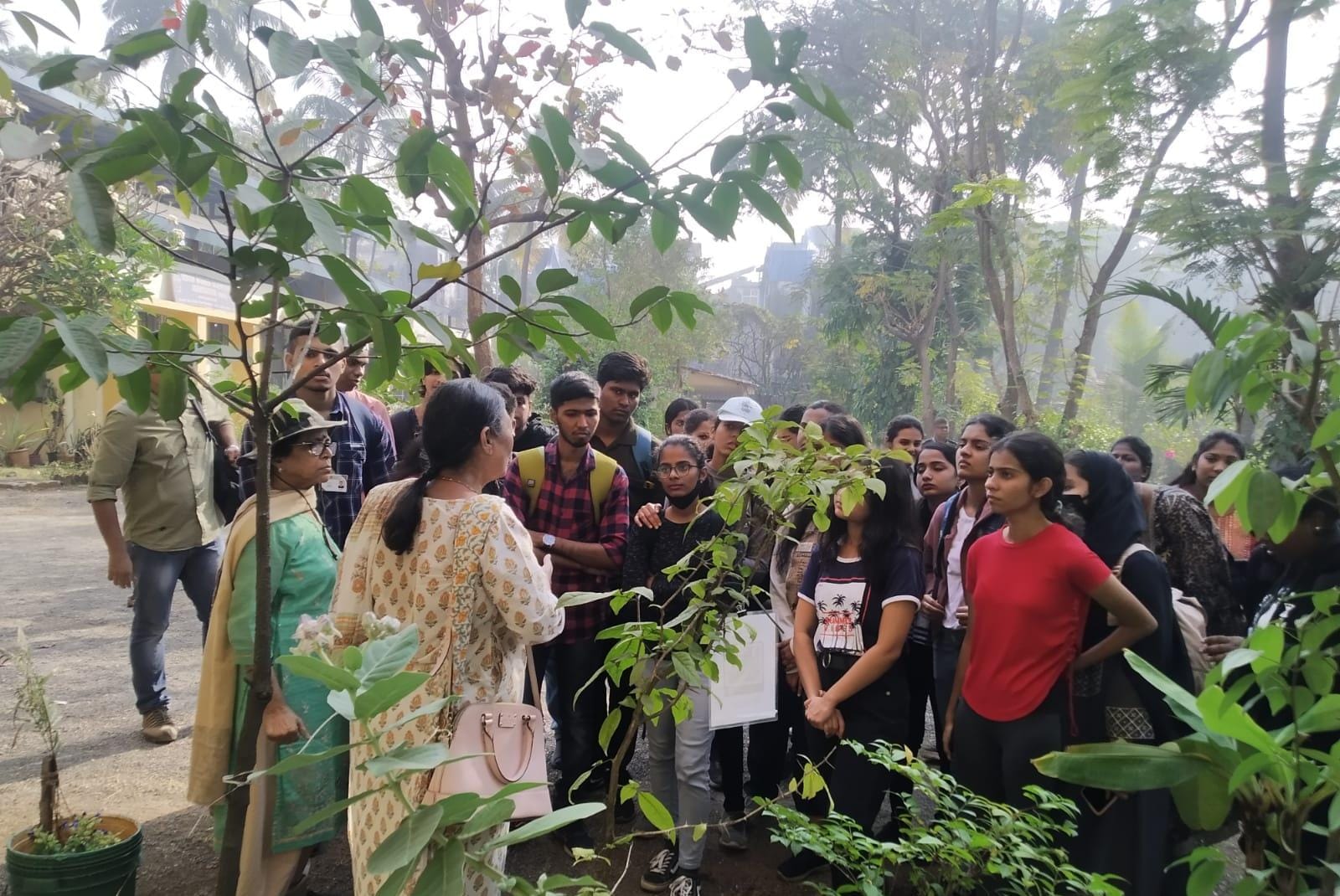



A unique rainforest-style garden in Navi Mumbai is drawing attention for its innovative approach to biodiversity conservation and environmental education. Designed to replicate a tropical rainforest ecosystem, the initiative demonstrates how layered vegetation and native species can support wildlife while inspiring urban communities to protect nature.
Mumbai’s push toward greener urban spaces has taken a new turn with the creation of a rainforest-inspired garden designed to educate citizens about ecological balance and biodiversity. The initiative showcases how dense, multi-layered vegetation can recreate natural forest systems even within urban environments.
Understanding The Rainforest Concept
The rainforest-style garden developed by the Indian Women’s Scientists’ Association (IWSA) in Vashi illustrates how tropical forests function as complex ecosystems. Naturalists involved in the project explain that a rainforest operates like a multi-storey structure with distinct layers—ground cover, shrubs, climbers, and tall canopy trees. Each layer supports different species of plants, birds, and insects.
By replicating these layers within a garden setting, the project provides a living model of ecological interdependence, helping visitors visualize how biodiversity thrives in natural forests.
How The Garden Supports Biodiversity
The garden includes a mix of native plant species, creepers, and flowering plants that attract birds and pollinators. Species such as orchids, bromeliads, and flowering shrubs create microhabitats that sustain birds like sunbirds and other pollinators.
This approach mirrors real rainforest ecosystems where multiple vegetation layers create shelter, food sources, and nesting areas for wildlife. Environmental educators use the garden as a demonstration site to explain how biodiversity conservation works in practice.
Educational And Environmental Impact
Beyond being a green attraction, the rainforest garden serves as an environmental education hub. Schools, researchers, and visitors can explore how ecosystems function and why protecting biodiversity is critical in rapidly urbanizing cities like Mumbai.
Urban biodiversity initiatives like this are becoming increasingly important as cities face challenges such as habitat loss, climate change, and declining green cover. Projects that recreate natural ecosystems within city landscapes can help restore ecological balance while raising awareness among residents.
Key Highlights
-
Mumbai’s rainforest-style garden recreates tropical forest layers to demonstrate biodiversity ecosystems
-
The project is located in Vashi and developed by the Indian Women’s Scientists’ Association
-
Layered vegetation attracts birds, pollinators, and other wildlife
-
The garden serves as a living laboratory for environmental education and conservation awareness
-
Such initiatives help cities balance urban development with ecological sustainability
As Mumbai expands its urban infrastructure, innovative green projects like rainforest-style gardens highlight how cities can integrate biodiversity conservation into public spaces and inspire communities to value and protect nature.
Sources: Times of India