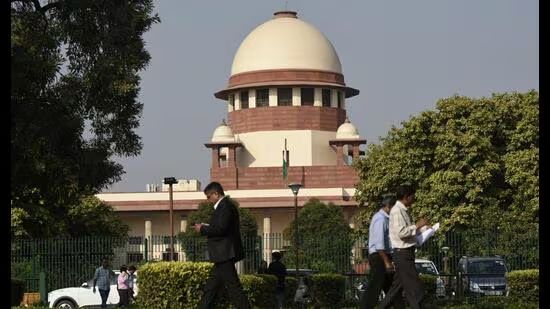





India’s constitutional framework is undergoing a stress test in the digital age, as issues of privacy, surveillance, and algorithmic governance challenge fundamental rights. Courts, policymakers, and civil society are grappling with how to apply constitutional principles of liberty, dignity, and equality to digital technologies, ensuring accountability and safeguarding democracy.
On February 25, 2026, scholars and legal experts highlighted how Indian constitutionalism is being tested in the digital era. With the rise of AI-driven decision-making, mass surveillance, and algorithmic influence on public discourse, constitutional values such as privacy, autonomy, and free expression face unprecedented challenges.
The recognition of privacy as a fundamental right in 2017 was a landmark, but experts argue that India still lacks comprehensive safeguards against state overreach and data misuse. Recent debates, including the government’s attempt to mandate pre-installation of apps like Sanchar Saathi, underscore tensions between innovation, regulation, and individual rights.
Legal scholars emphasize that digital constitutionalism must ensure that technological power is subject to the same constitutional limits as traditional state authority, reinforcing accountability and rule of law in cyberspace.
Major Takeaways
-
Indian constitutionalism faces stress test in digital age
-
Privacy recognized as a fundamental right in 2017 after decades of debate
-
AI, surveillance, and algorithms challenge liberty and dignity
-
Government’s Sanchar Saathi app controversy raised concerns of consent and overreach
-
Digital constitutionalism applies constitutional principles to technology governance
-
Ensuring accountability and rule of law in cyberspace is critical
Conclusion
India’s constitutional values are being reframed for the digital era, requiring robust safeguards to balance innovation with individual rights. The stress test highlights the urgency of embedding privacy, dignity, and accountability into digital governance, ensuring that constitutionalism remains resilient in the face of technological disruption.
Sources: Hindustan Times, Lawctopus, Vision IAS