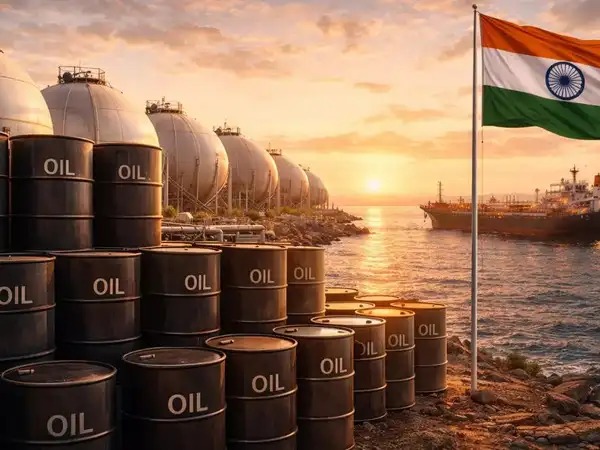



India currently has more than 250 million barrels of crude oil and petroleum products in reserve, equivalent to nearly 4,000 crore litres. This stockpile provides a buffer of 7–8 weeks across the supply chain, ensuring energy security amid global uncertainties and geopolitical tensions in West Asia.
Strategic Distribution Of Reserves
The reserves are spread across multiple facilities, including above-ground storage tanks, underground caverns, refinery storage, pipeline systems, terminal tankage, and offshore vessels. India also maintains three dedicated strategic petroleum reserve facilities at Mangalore, Padur, and Visakhapatnam, which enhance resilience and flexibility in managing supply disruptions.
Energy Security Outlook
Officials highlighted that only about 40% of India’s crude imports pass through the Strait of Hormuz, reducing exposure to regional risks. With sufficient reserves in place, the government has assured that domestic demand can be met without immediate concerns of shortages, even if global supply chains face temporary disruptions.
Economic And Consumer Impact
The buffer stock stabilizes fuel availability for industries and households, mitigating price volatility and strengthening India’s negotiating position in global energy markets. This proactive approach underscores India’s commitment to long-term energy security.
Key Highlights
-
India holds 250 million barrels of crude and petroleum products
-
Equivalent to 7–8 weeks of supply coverage
-
Reserves spread across caverns, pipelines, terminals, and offshore vessels
-
Strategic facilities at Mangalore, Padur, and Visakhapatnam
-
Only 40% of imports transit through Strait of Hormuz
Sources: Republic World, Fortune India, OrissaPOST, The Hans India