







Follow WOWNEWS 24x7 on:


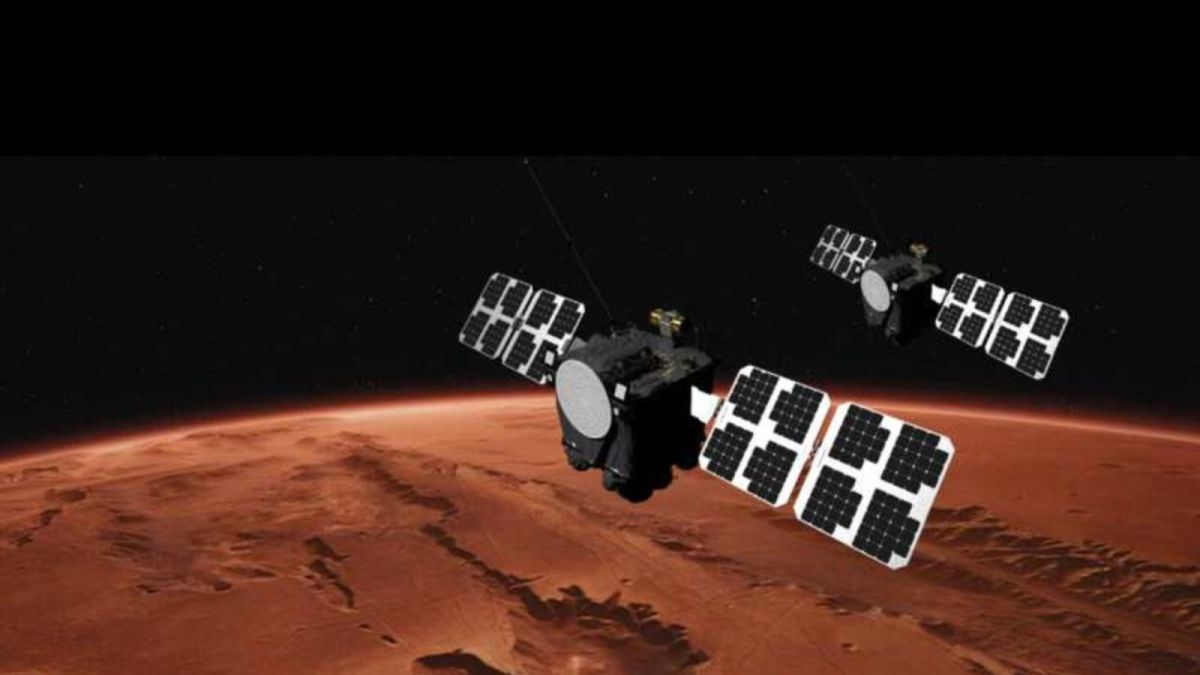
NASA’s ESCAPADE mission, launched in March 2026, deploys two spacecraft to orbit Mars and study how solar wind stripped away its atmosphere. Managed by UC Berkeley, the mission will provide crucial insights into Mars’ lost habitability, informing both planetary science and preparations for future human exploration of the Red Planet.
Show moreStay Ahead – Explore Now! FSSAI Introduces CALM Framework For Sustainable Obesity Management



Updated: March 17, 2026 18:26

Updated: March 16, 2026 18:58

Updated: March 15, 2026 20:08













Follow WOWNEWS 24x7 on:





Copyright 2024 WOWNEWS 24x7. All rights reserved. The WOWNEWS 24x7 is not responsible for the content of external sites. Read about our approach to external linking.
Powered By Just Imagine
