






Young people in China are embracing the “reparenting” trend, where they guide their parents toward modern lifestyles—teaching them to use apps, take selfies, and adopt wellness routines. The movement, widely discussed on social media, reflects a shift in family dynamics, blending filial piety with emotional healing and generational role reversal.
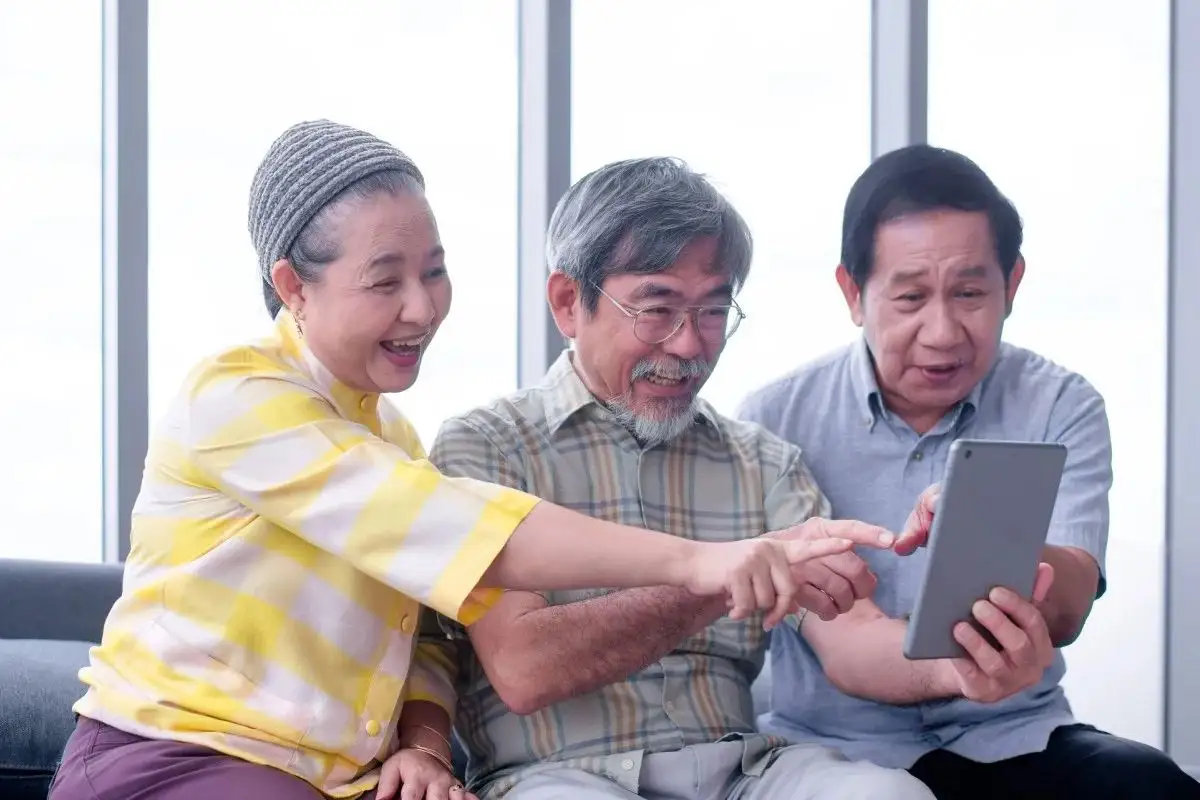
China’s youth are reshaping traditional family roles through a cultural phenomenon known as “reparenting”. According to NDTV and the South China Morning Post, millions of young adults are teaching their parents modern skills, from ordering food online and using smartphones to skincare routines and attending concerts together.
The trend has gained traction on platforms like Douyin and Weibo, where the hashtag “reparenting parents” has amassed nearly 60 million views. Many participants describe the practice as a way to heal emotional wounds from childhood, while simultaneously redefining the concept of filial piety in contemporary society.
By sharing hobbies, introducing new experiences, and encouraging self-care, Chinese youth are not only modernizing their parents’ lifestyles but also fostering closer intergenerational bonds.
Major Takeaways
-
“Reparenting” trend sees youth guiding parents into modern lifestyles
-
Popular on Douyin and Weibo with nearly 60 million views
-
Activities include teaching apps, selfies, skincare, and concerts
-
Seen as emotional healing and redefining filial piety
-
Strengthens intergenerational bonds and family harmony
-
Reflects broader cultural shift in modern Chinese households
Conclusion
China’s reparenting movement highlights how younger generations are redefining family roles—balancing tradition with modernity. By nurturing their parents emotionally and socially, youth are reshaping the meaning of filial piety, turning it into a mutual exchange of care and growth.
Sources: NDTV, South China Morning Post, SAYS