


Bollywood has long used Holi sequences not just for vibrant celebration but also as turning points in storytelling. From Sholay’s joyous “Holi Ke Din” to Damini’s harrowing courtroom drama, these scenes blend festivity with narrative shocks. They remain unforgettable cultural moments, shaping how audiences connect with cinema and tradition.
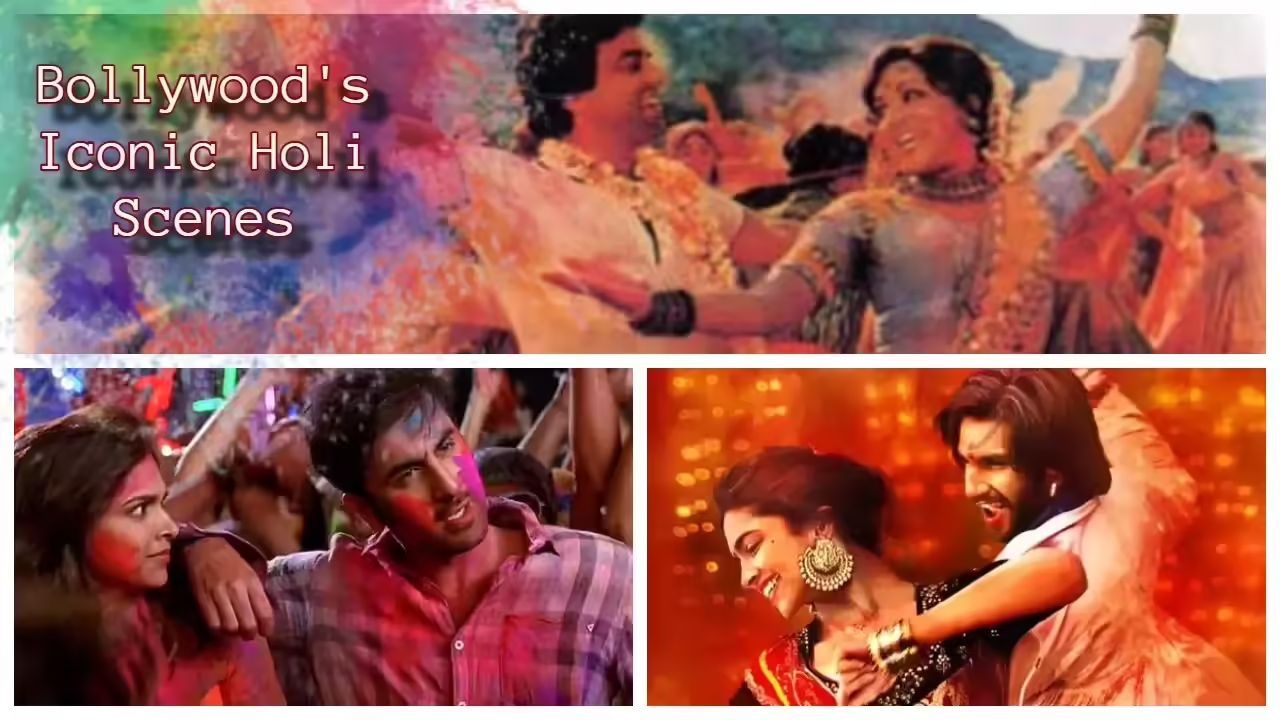
Holi has always been more than just a festival of colours in Bollywood—it’s a cinematic device that directors use to heighten drama, romance, or tragedy. According to India Today, Times of India, and Film Companion, several films have immortalized Holi scenes that carry unexpected twists, making them iconic in Indian cinema.
In Sholay (1975), the cheerful “Holi Ke Din” song abruptly transitions into tragedy when Gabbar Singh attacks the village, turning joy into devastation. Similarly, Damini (1993) uses Holi as the backdrop for a pivotal assault scene that drives the film’s powerful narrative on justice and women’s rights.
Other films like Baghban (2003), Silsila (1981), and Goliyon Ki Raasleela Ram-Leela (2013) also feature Holi sequences that mark emotional turning points—whether rekindling romance, exposing betrayal, or intensifying conflict. These scenes highlight how Bollywood intertwines cultural celebration with storytelling depth.
Major Takeaways
-
Sholay (1975): “Holi Ke Din” turns tragic with Gabbar Singh’s attack
-
Damini (1993): Holi backdrop sets stage for pivotal assault and courtroom drama
-
Silsila (1981): Rekindling romance through “Rang Barse” amid complex relationships
-
Baghban (2003): Holi scene underscores family bonds and emotional reunion
-
Ram-Leela (2013): Holi colours intensify passion and conflict between lovers
-
Holi sequences in Bollywood often serve as narrative turning points, blending festivity with drama
Conclusion
Bollywood’s Holi scenes are more than colourful spectacles—they are storytelling milestones that capture joy, tragedy, romance, and social commentary. From Sholay to Damini, these sequences remain etched in cinematic memory, proving that festivals in film can carry profound emotional and narrative weight.
Sources: India Today, Times of India, Film Companion, Hindustan Times, NDTV Entertainment