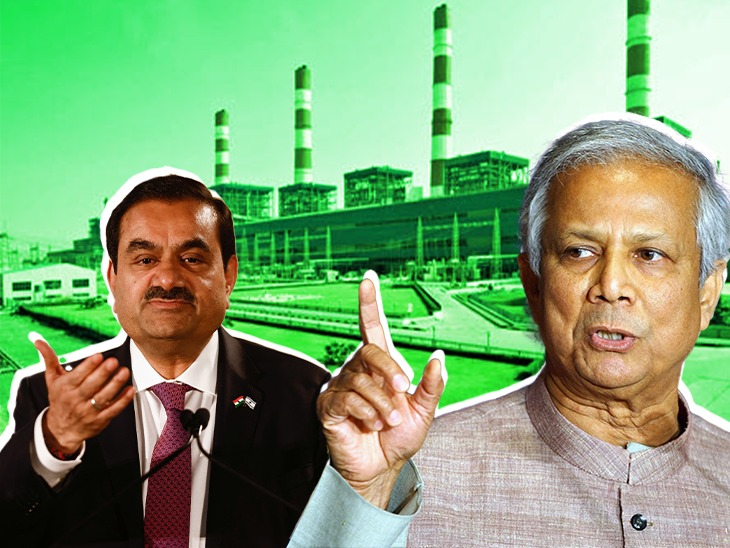




Bangladesh’s new government has announced plans to revise the Adani Power deal, citing concerns over pricing irregularities and overpayment. A national review committee found that Bangladesh was paying nearly 50% more per unit compared to other Indian suppliers, prompting calls for renegotiation and potential legal action to safeguard national interests.
The newly formed government in Bangladesh is set to revisit the power purchase agreement with Adani Power, following findings of significant irregularities. According to the National Review Committee (NRC), Bangladesh’s state-owned Power Development Board (BPDB) has been paying four to five cents more per unit of electricity, nearly 50% higher than imports from other Indian suppliers.
Officials highlighted “egregious anomalies” in the billion-dollar cross-border electricity deal, which currently supplies around 10% of Bangladesh’s power needs. The review committee also flagged potential corruption in the deal-making process, recommending legal counsel and international arbitration options.
The government’s move reflects a broader effort to strengthen transparency, reduce costs, and ensure accountability in the country’s energy sector. Analysts believe that renegotiating the Adani deal could significantly ease fiscal pressures while reinforcing public trust in governance.
Key Highlights
-
Issue Raised: Overpricing and irregularities in Adani Power deal.
-
Cost Impact: Bangladesh paying ~50% more per unit than other suppliers.
-
Committee Findings: Evidence of anomalies and possible corruption.
-
Government Action: Plans to revise or renegotiate the agreement.
-
Sector Impact: Could reshape Bangladesh’s energy import strategy.
This development underscores Bangladesh’s determination to reform its power sector, balancing affordability with transparency.
Sources: The Business Standard Bangladesh; Radiance News; Economic Times