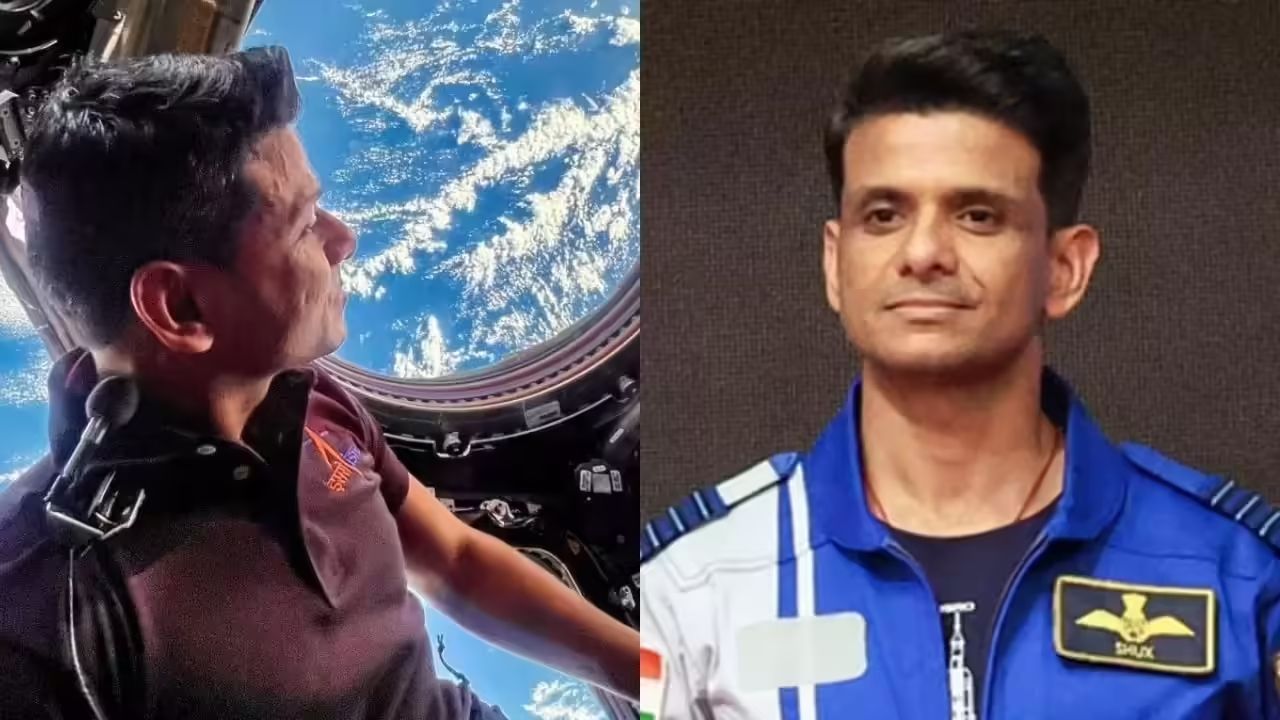





Indian astronaut Shubhanshu Shukla, currently aboard the International Space Station (ISS), has revealed how astronauts maintain hygiene in microgravity. With no showers available, astronauts rely on what he calls the “world’s most expensive sponge bath,” using specially designed hygiene kits and water-conserving methods to stay fresh while orbiting Earth.
Astronaut hygiene has always fascinated the public, and Indian astronaut Shubhanshu Shukla has offered a candid explanation of how astronauts keep clean in space. In a video shared on March 5, 2026, Shukla described the process as the “world’s most expensive sponge bath,” highlighting the unique challenges of personal care in microgravity.
Unlike on Earth, showers are impossible aboard the ISS because water droplets float freely in zero gravity. Instead, astronauts use pre-moistened wipes, rinseless body cleansers, and specially designed hygiene kits to freshen up. Shukla explained that the routine begins with an “unassuming bag” containing wipes and water pouches, which are used sparingly due to the high cost of transporting water into orbit.
Shukla, the first Indian astronaut to visit the ISS and only the second Indian in space after Rakesh Sharma, emphasized that hygiene is not just about comfort but also about health and safety. In the confined environment of the ISS, maintaining cleanliness prevents bacterial growth and ensures crew well-being during long missions.
The astronaut’s explanation has sparked interest among space enthusiasts, offering a rare glimpse into the daily lives of astronauts and the extraordinary measures required to adapt human routines to space conditions.
Key Highlights
-
No Showers in Space: Microgravity makes showers impossible; water would float uncontrollably.
-
Sponge Bath Routine: Astronauts use wipes, rinseless cleansers, and water pouches stored in hygiene kits.
-
Water Conservation: Every drop is precious; transporting water to space costs thousands of dollars per liter.
-
Health Priority: Hygiene prevents bacterial growth and protects astronauts’ health in confined environments.
-
Historic Moment: Shubhanshu Shukla is the first Indian astronaut aboard the ISS, part of a commercial mission with Axiom Space.
-
Cultural Impact: His candid explanation connects everyday routines with extraordinary space science, making space exploration relatable.
Conclusion
Shubhanshu Shukla’s description of the “world’s most expensive sponge bath” underscores the ingenuity required to adapt human life to space. While showers are a luxury Earthlings take for granted, astronauts rely on carefully engineered routines to stay clean and healthy. His insights not only highlight the challenges of space living but also inspire curiosity about the future of human spaceflight and how everyday habits must evolve beyond Earth.
Sources: Hindustan Times, Mint, MSN