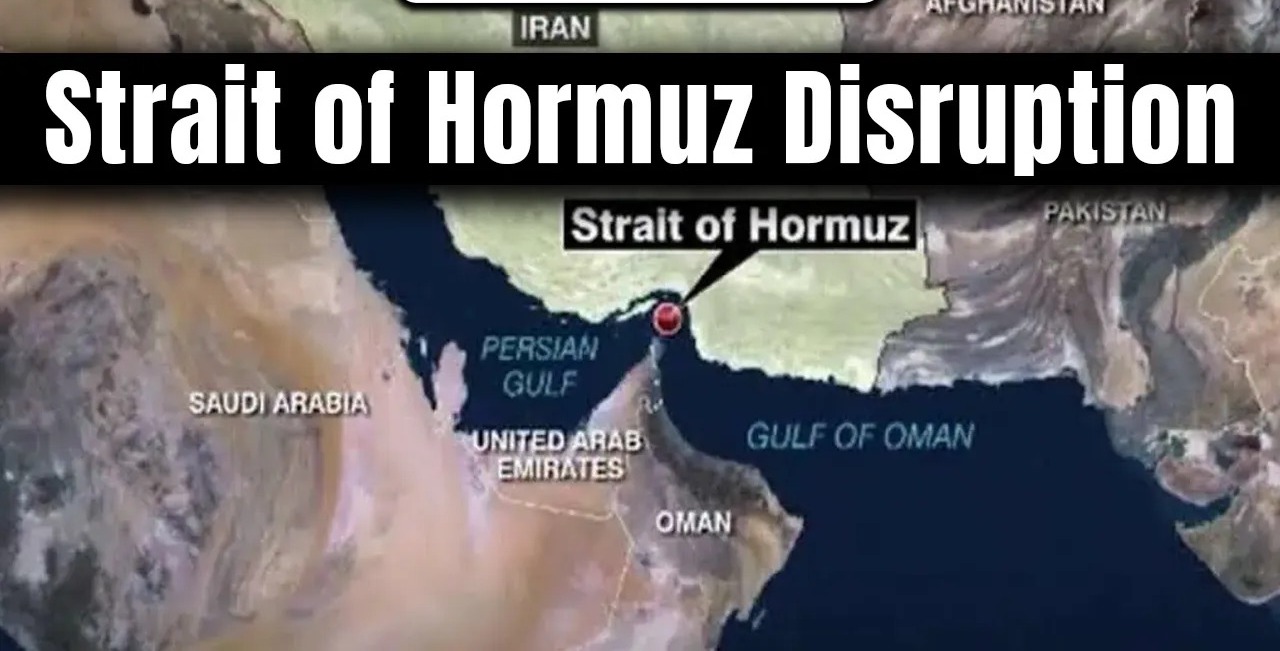





The closure of the Strait of Hormuz amid escalating Iran–US conflict has triggered fears of a global oil shock. With nearly a quarter of seaborne crude and a fifth of LNG passing through this chokepoint, alternative pipeline routes are being explored to soften the impact on energy markets.
Iran’s effective shutdown of the Strait of Hormuz has disrupted one of the world’s most critical energy arteries. The move comes in retaliation to intensified military strikes, raising concerns about supply security and price volatility across global markets.
Global Energy At Risk
The Strait of Hormuz handles over $500 billion worth of oil and gas annually. Its closure threatens economies dependent on Gulf energy exports, including India, China, Japan, and Europe. With limited alternatives, the crisis underscores the vulnerability of global energy supply chains.
Pipeline Alternatives And Strategic Options
Regional players such as Saudi Arabia and the UAE are considering expanding bypass pipelines that connect directly to the Red Sea or Arabian Sea. While these routes could reduce reliance on Hormuz, capacity constraints mean they cannot fully replace the strait’s massive throughput. Still, they may provide partial relief and stabilize markets.
Key Highlights
-
Strait of Hormuz closure disrupts global oil and LNG flows
-
Nearly 25% of seaborne crude passes through Hormuz
-
Alternative pipelines via Saudi Arabia and UAE under consideration
-
Capacity limits mean bypasses can only partially offset disruption
-
Global markets brace for volatility amid Iran–US tensions
Sources: The Independent, Al Jazeera, U.S. Energy Information Administration