





Follow WOWNEWS 24x7 on:


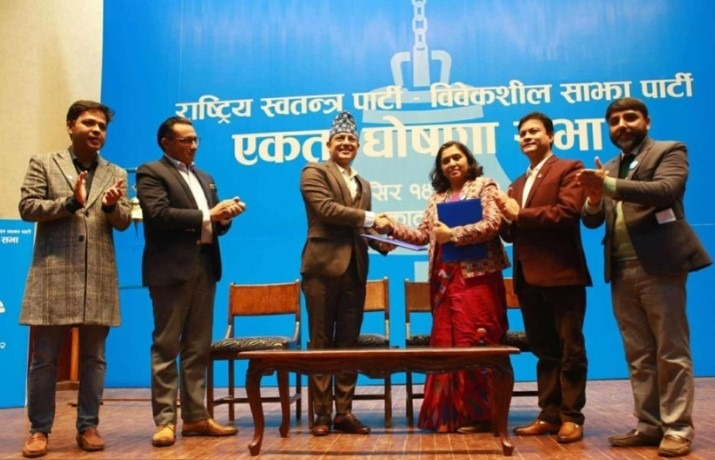
Nepal’s Rastriya Swatantra Party (RSP), led by Balen Shah, is emerging as the dominant force in the 2026 general elections, leading in over 100 of 165 constituencies. The party’s rapid rise signals a potential landslide victory, reshaping Nepal’s political landscape and challenging traditional powerhouses like the Nepali Congress and CPN-UML.
Show moreStay Ahead – Explore Now! Nepal Elections 2026: Key Dates, Candidates, and What to Expect



Updated: March 06, 2026 18:19

Updated: March 05, 2026 17:59

Updated: March 04, 2026 21:56














Follow WOWNEWS 24x7 on:





Copyright 2024 WOWNEWS 24x7. All rights reserved. The WOWNEWS 24x7 is not responsible for the content of external sites. Read about our approach to external linking.
Powered By Just Imagine
