





Follow WOWNEWS 24x7 on:


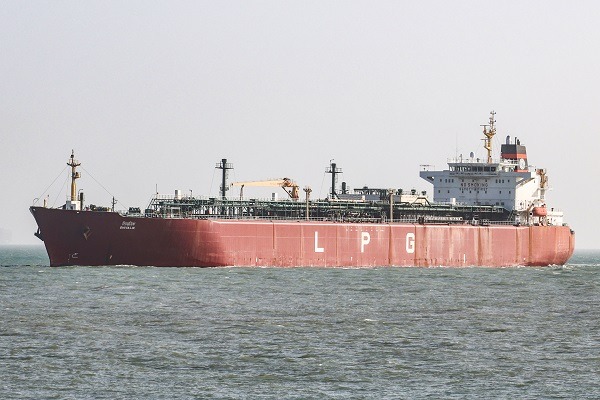
India’s ongoing oil and LPG supply disruptions have reignited calls for structural reforms in the energy sector. With imports through the Strait of Hormuz facing bottlenecks, policymakers argue that this crisis presents an opportunity to accelerate market-oriented reforms, diversify supply chains, and strengthen domestic resilience.
Show moreStay Ahead – Explore Now! GTV Engineering To Issue 3.9 Million Shares At Rs 59.65 Each

Updated: March 24, 2026 19:57

Updated: March 23, 2026 17:44

Updated: March 22, 2026 20:32












Follow WOWNEWS 24x7 on:





Copyright 2024 WOWNEWS 24x7. All rights reserved. The WOWNEWS 24x7 is not responsible for the content of external sites. Read about our approach to external linking.
Powered By Just Imagine
